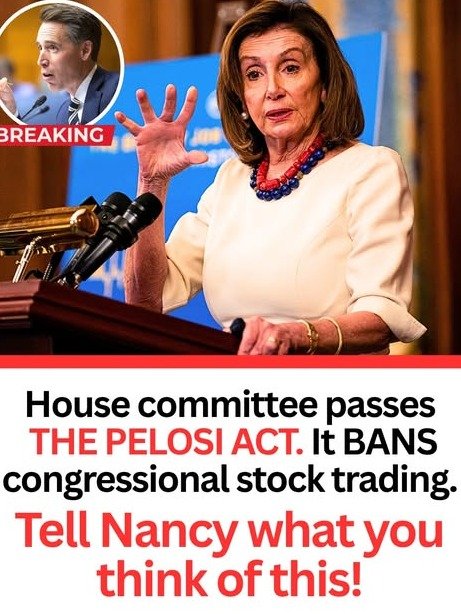
Imagine a world where those in power operate without consequence, where trust is a forgotten word, and the very foundations of society crumble under the weight of unchecked greed. Sound like a dystopian novel? Unfortunately, for many, it’s a stark reality that silently erodes the quality of life for millions.
The urgent cry to hold corrupt officials accountable isn’t just a political slogan; it’s a fundamental demand for justice, equality, and the preservation of our collective future. The stakes couldn’t be higher, and the cost of inaction is a price none of us can afford to pay. It’s time we understand precisely why this battle is so critical and what each of us can do.
The Silent Erosion: Why Accountability Matters More Than Ever
When public officials betray the trust placed in them, the ripple effects are devastating. This isn’t merely about a few bad apples; it’s about the systemic corrosion of institutions designed to serve the people. Public trust, once broken, is incredibly difficult to mend, leading to widespread cynicism and disengagement.
Accountability is the bedrock of any functioning democracy and a just society. Without it, the rule of law becomes a mere suggestion, and the principles of fairness and equity are trampled underfoot. When leaders can act with impunity, it sends a clear message that the system is rigged, and ordinary citizens have no recourse.
Defining the Enemy: What Exactly is Official Corruption?
Corruption isn’t a monolithic entity; it manifests in various insidious forms. It goes far beyond the simple act of a bribe. Official corruption encompasses a wide array of abuses of entrusted power for private gain, often at the expense of the public good.
This includes embezzlement of public funds, where money meant for schools or hospitals mysteriously disappears; nepotism and cronyism, where positions are given to unqualified friends and family; and illicit enrichment, where officials accumulate vast wealth far beyond their legitimate income. Influence peddling, extortion, and fraud are also common tactics that undermine the integrity of governance.
The High Cost of Inaction: How Corruption Harms Society
The true cost of official corruption is staggering, impacting every facet of society. Economically, it diverts crucial resources away from public services like healthcare, education, and infrastructure, crippling national development. It stifles innovation, discourages foreign investment, and creates an uneven playing field where only the connected can thrive.
Socially, corruption exacerbates inequality, as the poor and marginalized often bear the brunt of compromised services and unjust systems. It can lead to increased crime rates, a breakdown of social order, and even civil unrest, as citizens grow increasingly frustrated with a system they perceive as fundamentally unfair. Politically, it undermines democratic processes, weakens institutions, and can pave the way for authoritarianism.
Who Holds the Keys? Pathways to Accountability
Holding corrupt officials accountable requires a multi-pronged approach, starting with robust legal frameworks and independent institutions. A strong, impartial judiciary is paramount, ensuring that laws are applied equally to all, regardless of their position or power. Anti-corruption agencies, endowed with sufficient resources and autonomy, play a critical role in investigation and prosecution.
Furthermore, strong oversight bodies, such as auditors general and parliamentary committees, are essential for scrutinizing public spending and decision-making. These institutions must operate free from political interference, armed with the power to investigate, recommend sanctions, and bring cases to justice.
The Unsung Heroes: The Power of Whistleblowers and the Media
Often, the first line of defense against corruption comes from within: whistleblowers. These courageous individuals, who expose wrongdoing from inside organizations, provide invaluable insights that external bodies might never uncover. Protecting whistleblowers from retaliation is not just ethical; it’s absolutely vital for uncovering hidden corruption.
Independent media also serves as a crucial watchdog, shining a light on dark corners and holding power to account. Investigative journalism, though increasingly challenged, plays an indispensable role in informing the public, exposing scandals, and catalyzing public demand for action. Without a free press, many acts of corruption would remain hidden, perpetuating a cycle of impunity.
“The fight against corruption is not just about catching criminals; it’s about building a future where integrity is the norm, not the exception.” – Anonymous Anti-Corruption Advocate
Citizen Power: Your Role in the Fight Against Corruption
While institutions and watchdogs are essential, the ultimate power to demand and enforce accountability rests with the citizens. An informed and engaged populace is the strongest deterrent to corruption. Here’s how you can contribute:
- Vote Wisely: Support candidates who demonstrate a commitment to transparency, integrity, and strong anti-corruption measures.
- Demand Transparency: Utilize Freedom of Information (FOI) acts and advocate for greater openness in government operations and spending.
- Support Watchdog Organizations: Donate to or volunteer with NGOs and civil society groups dedicated to fighting corruption.
- Speak Out: Report suspected corruption, participate in peaceful protests, and use your voice on social media to raise awareness.
- Stay Informed: Educate yourself on local and national issues, and critically evaluate information from various sources.
Every single act, no matter how small, contributes to the collective pressure needed to effect change. Your vigilance is not just a right, but a responsibility in safeguarding the integrity of your community and nation.
Overcoming Obstacles: The Challenges of Enforcing Accountability
The path to accountability is rarely smooth. Corrupt officials often wield significant power, influence, and financial resources, enabling them to obstruct investigations, intimidate witnesses, and exploit legal loopholes. Political interference, lack of judicial independence, and inadequate resources for anti-corruption bodies are persistent challenges.
Furthermore, the transnational nature of corruption means that illicit funds can be moved across borders, complicating investigations and asset recovery efforts. Building international cooperation and harmonizing legal frameworks are crucial for tackling these complex, cross-border crimes effectively.
A Global Imperative: International Efforts and Best Practices
Recognizing the global nature of corruption, international bodies and conventions play an increasingly important role. The United Nations Convention Against Corruption (UNCAC), for instance, provides a comprehensive framework for countries to prevent and combat corruption, promoting international cooperation in asset recovery and law enforcement.
Sharing best practices among nations, strengthening international judicial assistance, and fostering a global culture of transparency are vital steps. When countries collaborate, they create a formidable front against those who seek to exploit systemic weaknesses for personal gain, making it harder for corrupt individuals to hide their ill-gotten gains.
Building a Future of Integrity: The Long-Term Vision
The relentless pursuit of accountability isn’t just about punishing wrongdoers; it’s about building a better future. A society free from pervasive corruption enjoys restored public trust, efficient and equitable public services, a fair and competitive economy, and stronger democratic institutions. It’s a society where merit, not connections, dictates success, and where every citizen has a fair shot at prosperity.
This vision requires sustained effort, political will, and the unwavering commitment of an engaged citizenry. It’s a continuous process of vigilance, reform, and enforcement, but the rewards—a just, prosperous, and trustworthy society—are immeasurable.
Conclusion: The Call to Action
The initial sentiment, “Well THAT needed doing. We need to keep holding corrupt officials accountable, too!”, encapsulates a universal truth that resonates deeply. This isn’t just an abstract ideal; it’s a practical necessity for the health and longevity of any society. The fight against corruption is a marathon, not a sprint, and it demands our constant attention and collective effort.
Don’t be complacent. Don’t assume someone else will handle it. Your voice, your vote, and your vigilance are powerful tools in this ongoing battle. By actively demanding transparency, supporting integrity, and holding those in power to the highest standards, we can collectively ensure that accountability is not just a hope, but a fundamental reality for all.
About the Author




