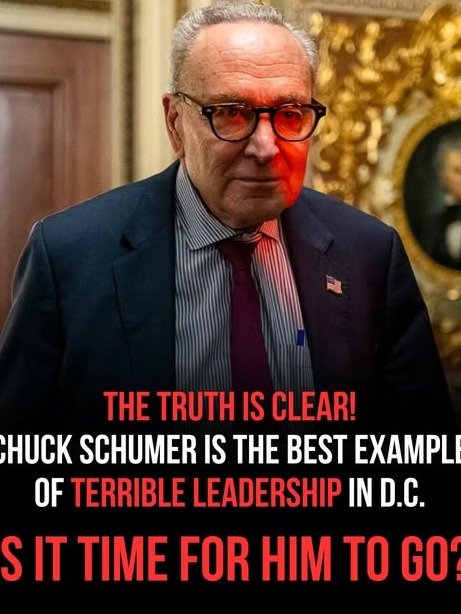
Imagine a single figure standing at the epicenter of every major political earthquake rocking Washington. A strategist, a negotiator, and often, the last line of defense in battles that shape our daily lives. That figure is Senate Majority Leader Chuck Schumer, and right now, he’s navigating a minefield of legislative crises that could define the nation’s trajectory for years to come.
From the contentious debates over border security and immigration policy to the intricate dance of government funding and the very rules that govern our elections, Schumer finds himself perpetually at the heart of the storm. His decisions, his negotiations, and his ability to rally a sometimes-fractured caucus are not just political maneuvers; they are the gears that turn the machinery of American governance.
The Epicenter of Washington’s Storms
As the Senate Majority Leader, Chuck Schumer wields immense power, yet operates within the tightest of margins. Leading a chamber often split 50-50, with Vice President Kamala Harris serving as the tie-breaking vote, means every single senator’s voice carries extraordinary weight. This precarious balance transforms every legislative initiative into a high-stakes poker game, where one defection can derail months of work.
Schumer’s role is not merely about pushing his party’s agenda; it’s about managing a diverse caucus, negotiating with a frequently recalcitrant opposition, and responding to the nation’s most pressing challenges. He’s the chief architect of the legislative calendar, the primary negotiator with the White House, and the public face of his party in the Senate. This position demands an unparalleled blend of political acumen, strategic foresight, and sheer endurance.
The issues landing on his desk are rarely simple. They are complex, emotionally charged, and often intersect with deeply entrenched ideological divides. Whether it’s keeping the government funded, addressing national security threats, or safeguarding fundamental rights, Schumer is consistently at the center of the legislative maelstrom.
The Battle for Border Security and DHS Funding
One of the most persistent and volatile flashpoints in Washington revolves around the Department of Homeland Security (DHS) and its funding. This isn’t just about dollar figures; it’s about the very architecture of national security, border management, and immigration enforcement. The annual appropriations for DHS are a perennial battleground, reflecting deeply divided views on how America should secure its borders and manage the influx of migrants.
For Schumer, navigating DHS funding means balancing his party’s calls for humanitarian approaches and comprehensive immigration reform with Republican demands for stricter enforcement and physical border barriers. The stakes are incredibly high: failure to pass a funding bill can lead to government shutdowns, impacting thousands of federal employees and critical national security operations.
Recent years have seen these debates intensify, often resulting in last-minute deals or protracted standoffs. Schumer’s strategy typically involves seeking bipartisan consensus where possible, but also recognizing when to draw a line in the sand to protect core Democratic values and policy objectives. This delicate dance requires not just political skill, but a profound understanding of the legislative process and the art of the possible.
The funding allocated to DHS directly impacts everything from Customs and Border Protection (CBP) operations to the support services for asylum seekers. Every line item is scrutinized, debated, and often weaponized in the broader political struggle. Schumer’s ability to steer these negotiations determines whether these vital agencies can function effectively, or if they become casualties of partisan gridlock.
Navigating the Immigration Minefield
Beyond the immediate funding for DHS, the broader issue of immigration reform remains a perpetual “third rail” in American politics, and Chuck Schumer is right in its path. The country grapples with complex questions surrounding undocumented immigrants, DACA recipients, asylum policies, and the pathways to legal residency. These aren’t just policy debates; they’re deeply personal issues affecting millions of families and individuals.
As a long-serving senator from New York, a state with a vast immigrant population, Schumer has a historical record of advocating for more comprehensive and humane immigration policies. However, as Majority Leader, he faces the daunting task of finding common ground in a Senate where compromise on immigration often seems impossible. The political polarization surrounding the border and immigration has only grown more intense, making any legislative breakthrough incredibly challenging.
The Democratic caucus itself contains a spectrum of views, from those pushing for expansive pathways to citizenship to those emphasizing border security. Schumer must manage these internal tensions while also attempting to engage with Republicans who often demand significant enforcement concessions before considering any form of legalization. This creates a legislative environment fraught with peril, where even minor proposals can ignite major political fires.
Key immigration issues that frequently cross Schumer’s desk include:
- DACA (Deferred Action for Childhood Arrivals): The fate of hundreds of thousands of “Dreamers” who arrived in the U.S. as children.
- Border Policy: Debates over physical barriers, technology, and the processing of asylum claims.
- Pathways to Citizenship: Calls for comprehensive reform that could offer legal status to long-term undocumented residents.
- Work Visas: Discussions around the needs of various industries for foreign labor.
Each of these points represents a potential flashpoint, requiring Schumer to deploy all his strategic might to prevent complete legislative paralysis while striving for meaningful progress.
Safeguarding Democracy: The Fight Over Election Rules
Perhaps no fight is more fundamental than the ongoing battle over election rules, and Chuck Schumer has positioned himself as a leading voice in the effort to protect and expand voting rights. Following the 2020 election and the events of January 6th, concerns about election integrity and access have surged, leading to a wave of state-level legislative changes that many Democrats argue suppress voter turnout.
Schumer and his caucus have championed federal legislation aimed at setting national standards for voting access, combating partisan gerrymandering, and introducing campaign finance reforms. Bills like the For the People Act and the John Lewis Voting Rights Advancement Act have been central to their agenda, seeking to counteract what they view as restrictive state laws.
However, these efforts have consistently run into the brick wall of the Senate filibuster, which requires 60 votes to advance most legislation. With only 50 Democratic-aligned senators, Schumer has faced immense pressure to either find Republican support – which has been virtually non-existent on these issues – or to reform the filibuster itself. This has placed him in a difficult position, balancing the urgency of his party’s base with the entrenched procedural rules of the Senate.
The fight over election rules is not just about voting procedures; it’s about the very future of American democracy and who gets to participate in it. Schumer’s efforts in this arena underscore his belief that protecting the right to vote is paramount, even if it means clashing with long-standing Senate traditions. His persistent advocacy highlights the profound ideological chasm that defines much of today’s political landscape.
The core issues at stake include:
- Voter Access: Debates over early voting, mail-in ballots, voter ID laws, and registration processes.
- Gerrymandering: Efforts to curb partisan manipulation of electoral districts.
- Campaign Finance: Proposals to limit the influence of money in politics.
- Election Security: Measures to protect against foreign interference and ensure accurate vote counts.
These are not abstract concepts; they directly impact the legitimacy and fairness of our electoral system, making Schumer’s role in their defense critically important.
The High-Stakes Game of Spending Stand-offs
Perhaps the most regular and anxiety-inducing flashpoint in Washington are the perennial spending stand-offs. From negotiating the annual budget to raising the debt ceiling, Chuck Schumer is invariably at the forefront of these tense, often dramatic, battles. These aren’t just bureaucratic exercises; they determine how the government functions, which programs are funded, and ultimately, the nation’s economic stability.
The process of funding the government is complex, requiring Congress to pass 12 individual appropriations bills or a comprehensive “omnibus” package. Failure to do so by the end of the fiscal year (September 30th) results in a government shutdown, halting non-essential services, furloughing federal workers, and creating significant economic uncertainty. Schumer, as Majority Leader, is the primary Democratic negotiator in these frantic, often last-minute, discussions.
Adding to the pressure is the recurring debate over the debt ceiling. This isn’t about authorizing new spending but about allowing the Treasury to pay for spending Congress has already approved. Republicans have frequently used the debt ceiling as leverage to demand spending cuts, creating a dangerous game of chicken that could lead to a catastrophic default on U.S. obligations, sending shockwaves through the global economy.
Schumer’s strategy in these stand-offs often involves a delicate balance of firmness and flexibility. He must protect his party’s priorities – whether it’s funding for social programs, infrastructure, or climate initiatives – while also recognizing the need to avoid economic catastrophe. His ability to forge compromises, rally his caucus, and stare down opposition demands determines whether the government remains operational or descends into chaos.
The consequences of these spending battles are far-reaching. They affect everything from national parks staying open to the timely delivery of Social Security checks, from military readiness to scientific research. Schumer’s role is not just political; it’s about safeguarding the very functions of government and the financial well-being of millions of Americans.
The Weight of the Majority Leader’s Gavel
Leading the U.S. Senate is arguably one of the most challenging jobs in American politics. The Majority Leader, currently Chuck Schumer, is not only responsible for guiding legislation through the chamber but also for managing the expectations and demands of 50 diverse senators, each with their own constituencies and political ambitions. It’s a role that demands constant communication, persuasion, and an encyclopedic knowledge of Senate rules and procedures.
Schumer’s leadership style is often described as energetic and hands-on. He is known for his relentless outreach to members, his strategic use of media, and his deep understanding of policy details. However, the slim majority means that he cannot afford to lose a single vote on contentious issues, making every legislative push a delicate balancing act. This often requires him to broker deals, offer concessions, and sometimes, delay action until he can secure the necessary support.
Beyond the internal dynamics of the Senate, Schumer faces constant scrutiny from the media, intense pressure from advocacy groups, and the strategic maneuvering of the opposing party. He is the primary target for criticism when legislative efforts stall and the chief architect credited when breakthroughs occur. His public statements and strategic decisions often set the tone for national political debates.
The weight of the gavel is immense. It involves not just legislative strategy but also political messaging, fundraising, and campaigning for his party. Schumer’s success (or failure) in these high-stakes battles directly impacts the Democratic Party’s ability to govern and the Biden administration’s agenda. He truly is at the nexus of power and responsibility in Washington.
What This Means for Everyday Americans
While these legislative battles might seem like distant political theater, the truth is that Chuck Schumer’s central role in Washington’s biggest fights has direct and tangible consequences for every American. The decisions made (or not made) on his watch ripple outwards, affecting our economy, our safety, and our fundamental rights.
Consider the impact:
- Economic Stability: Spending stand-offs and debt ceiling debates directly influence financial markets, interest rates, and the stability of federal services like Social Security and Medicare.
- National Security: DHS funding and immigration policies determine how effectively our borders are secured, how law enforcement operates, and how humanitarian crises are addressed.
- Democratic Participation: Election rules dictate who can vote, how easily they can vote, and the fairness of our representative system.
- Public Services: Budget negotiations impact everything from infrastructure projects and environmental protection to healthcare access and educational funding.
These are not abstract concepts; they are the very fabric of our society. Schumer’s ability to navigate these treacherous waters directly influences whether your community receives federal aid, whether your vote counts fairly, and whether the economy remains stable.
Understanding Schumer’s pivotal position and the issues he confronts is crucial for any engaged citizen. His actions, and the outcomes of the battles he wages, are not just headlines – they are blueprints for America’s future, shaping the daily realities for millions of people across the nation.
Conclusion: The Enduring Influence of a Senate Leader
In the high-stakes arena of Washington politics, few figures command as much influence and face as much pressure as Senate Majority Leader Chuck Schumer. He is undeniably at the heart of some of the nation’s most critical and contentious debates, from the very funding that keeps our government operational to the fundamental rules that govern our democracy.
His role is a constant balancing act, requiring shrewd negotiation, unwavering determination, and an acute awareness of the political landscape. As these flashpoints continue to define the current political era, Schumer remains the central figure whose strategic decisions will undoubtedly shape the course of American policy and, by extension, the lives of every citizen.
Keeping an eye on his actions and the legislative battles he spearheads isn’t just following politics; it’s understanding the forces that are actively building (or threatening to dismantle) the future of the United States.
About the Author




