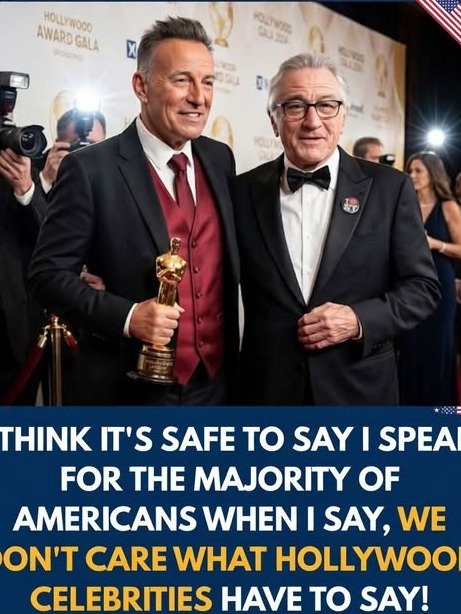
Every election cycle, the familiar debate ignites: should celebrities weigh in on politics? While A-listers use their massive platforms to advocate for causes and candidates, a growing segment of the population feels Hollywood is completely out of touch with the everyday struggles of working Americans. Is it time we stopped listening to the stars, or do they offer a vital voice in our national discourse?
This isn’t just a casual disagreement; it’s a deep-seated tension that exposes the chasm between two very different Americas. On one side, the glitz and glamour of Tinseltown, where progressive ideals often reign supreme. On the other, the diverse, often conservative, and always pragmatic heartland, where bills need paying and life’s challenges are far removed from red carpet events. The question isn’t just about political opinions; it’s about authenticity, relatability, and who truly holds the moral authority to speak for the nation.
The Enduring Tug-of-War: Hollywood’s Political Pedigree
Celebrity involvement in politics is far from a new phenomenon. From the earliest days of cinema, stars have leveraged their fame to support causes, influence public opinion, and even run for office. Think of Frank Sinatra campaigning for JFK, or Shirley Temple Black’s diplomatic career. Hollywood has long seen itself as a bastion of social consciousness, often at the forefront of movements for civil rights, environmental protection, and peace.
These figures often view their platforms as a responsibility, a unique opportunity to shine a light on injustices or rally support for policies they believe will benefit society. Their reach is undeniable; a single tweet or Instagram post can reach millions, far surpassing the audience of many traditional news outlets. This power, however, is precisely what fuels the controversy.
The “Tinseltown Bubble”: Why Many Feel Disconnected
For many on “Main Street,” the opulent lifestyles of Hollywood’s elite create an insurmountable barrier to genuine understanding. How can someone who flies on private jets, lives in a multi-million dollar mansion, and rarely faces economic insecurity truly comprehend the struggles of a single parent working two jobs to make ends meet, or a small business owner battling rising inflation?
Critics often point to what they perceive as an “echo chamber” within Hollywood, where similar political viewpoints are reinforced, leading to a disconnect from the diverse perspectives held across the country. This can result in celebrity pronouncements feeling preachy, out-of-touch, or even insulting to those who don’t share their worldview. The sentiment is often summarized by the phrase: “Stick to acting.”
“When a celebrity starts telling me how to vote, it just makes me roll my eyes. They live in a completely different world. What do they know about my daily grind?” – A common sentiment from Main Street America.
The Power of the Megaphone: Amplifying Important Messages
Despite the criticism, the argument for celebrity political engagement remains strong. Proponents emphasize that fame grants an unparalleled megaphone, capable of amplifying critical messages that might otherwise be overlooked. Celebrities can draw attention to humanitarian crises, advocate for marginalized communities, and mobilize younger demographics who might not engage with traditional political discourse.
Their ability to fundraise is also immense, channeling millions of dollars towards political campaigns and advocacy groups. Beyond direct political endorsements, many stars lend their voices and resources to non-partisan causes like voter registration drives or public health campaigns, leveraging their recognition for civic good. They can make complex issues more accessible and relatable to a broader audience.
Bruce Springsteen: The Bridge Between Worlds?
Consider figures like Bruce Springsteen, often dubbed “The Boss.” Despite his immense wealth and global fame, Springsteen has consistently maintained a strong connection to working-class America through his music and his outspoken political views. His lyrics frequently explore themes of economic hardship, the struggles of the blue-collar worker, and the search for the American dream in a challenging landscape.
Springsteen’s political activism, often in support of labor rights and social justice, resonates with many because it feels authentic to his artistic identity and long-held values. He serves as an interesting case study, demonstrating that while some celebrities are dismissed as out-of-touch, others manage to bridge the gap and maintain credibility with a broad audience, precisely because their message feels earned and deeply rooted in their art and personal history.
Main Street’s Verdict: A Quest for Authenticity
What does Main Street truly want from its public figures, political or otherwise? The answer often boils down to authenticity and a genuine understanding of their lived experiences. Americans are weary of perceived hypocrisy and grandstanding. They seek leaders and influencers who can articulate their concerns with empathy, not just celebrity status.
This doesn’t mean Main Street is entirely against celebrities speaking out. Rather, there’s a desire for informed engagement over superficial endorsements. If a celebrity has genuinely researched an issue, has personal experience, or is willing to engage in respectful dialogue, their voice might be welcomed. But if it feels like a mere talking point or a virtue signal, it’s likely to be met with skepticism or outright rejection.
Navigating the Digital Age: Social Media’s Double-Edged Sword
The rise of social media has dramatically altered the landscape of celebrity political involvement. Stars can now communicate directly with their followers, bypassing traditional media filters. This offers an immediate, unfiltered channel for advocacy, but it also comes with significant drawbacks.
Nuance is often lost in short posts, and complex political issues can be oversimplified or reduced to soundbites. The instantaneity of social media can also lead to impulsive statements that further polarize rather than unite. While it offers unparalleled reach, it also exposes celebrities to instant backlash, often intensifying the “Hollywood vs. Main Street” debate in real time.
The Ethics of Influence: Informed Advocacy vs. Superficial Statements
A crucial aspect of this controversy is the ethical dimension of celebrity influence. Is it enough for a celebrity to simply voice an opinion, or do they have a responsibility to be deeply informed about the issues they champion? Critics argue that when celebrities speak on complex policy matters without a thorough understanding, they risk misinforming their audience and trivializing important debates.
The power of their platform demands a certain level of diligence. While passion is valuable, it must be coupled with knowledge to be truly impactful and avoid accusations of intellectual laziness. When celebrities engage thoughtfully, providing resources and encouraging critical thinking, their influence can be profoundly positive. When they don’t, it often backfires, reinforcing the perception of a detached elite.
Beyond the Glitz: Can Celebrities Truly Represent?
Ultimately, the question of who truly speaks for America is complex and multifaceted. No single individual, whether from Hollywood or anywhere else, can fully encapsulate the diverse experiences, beliefs, and aspirations of an entire nation. America is a tapestry woven from countless threads, and its voice is a chorus, not a solo performance.
Perhaps the most constructive role for celebrities is not to dictate, but to facilitate. They can use their platforms to elevate unheard voices, to spark crucial conversations, and to encourage civic participation across all demographics. By fostering dialogue and understanding, rather than simply broadcasting their own views, they might just help to bridge the very divide they often exacerbate.
The Debate Continues: A Call for Understanding
The controversy surrounding celebrity involvement in politics is unlikely to dissipate anytime soon. It reflects deeper societal tensions about class, influence, and the very nature of representation in a democratic society. As long as there are stars with megaphones and citizens with differing realities, the debate will rage on.
The path forward requires a measure of empathy and critical thinking from all sides. Hollywood might benefit from listening more intently to the struggles and perspectives of Main Street, while Main Street could acknowledge the potential for positive impact when celebrity engagement is thoughtful and well-intentioned. Only through mutual respect and a genuine effort to understand one another can we begin to truly address the question of who, or what, truly speaks for America.
About the Author




