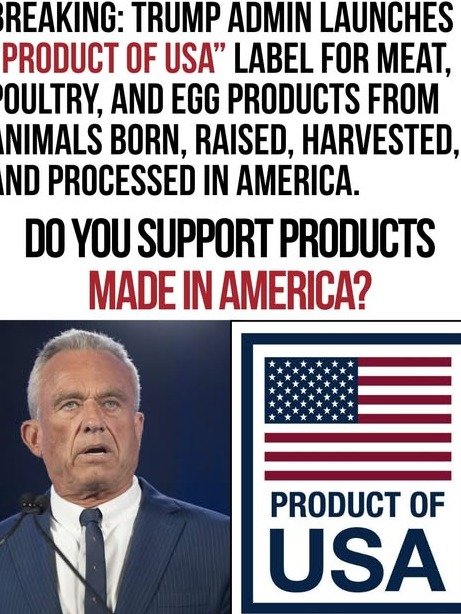
What if a simple shift in your everyday shopping habits could create a powerful ripple effect, strengthening your community, boosting your nation’s economy, and even ensuring higher quality products in your home? For years, I overlooked this incredible power, but a recent realization has completely transformed how I view consumerism. I’m talking about the deliberate choice to buy American-made goods, and honestly, I should have been doing it all along.
Like many, I used to prioritize convenience and price above almost everything else. A product was a product, regardless of its origin, as long as it fit my budget and met my needs. The ‘Made in America’ label was something I might notice, but rarely did I actively seek it out or understand its profound significance. It wasn’t until a friend challenged my perspective, prompting me to dig deeper, that the true impact of my purchasing power began to unfold before my eyes.
The Unseen Impact of Your Shopping Cart
This wasn’t just about patriotism; it was about understanding economics, quality, and community. Every dollar we spend is a vote, and for too long, I was casting my vote without fully comprehending the ballot. When you choose an American-made product, you’re not just buying an item; you’re investing in a complex ecosystem that supports countless families and strengthens the very fabric of our society.
It starts with job creation. Think about it: a product made domestically requires American workers at every stage – from design and manufacturing to packaging and distribution. These aren’t just factory jobs; they include engineers, marketers, truck drivers, administrative staff, and countless other roles that contribute to a thriving economy. Each purchase directly translates into paychecks, which then get reinvested back into local communities.
Beyond the Price Tag: Quality and Standards You Can Trust
One of the most compelling arguments for buying American is the often-superior quality and the stringent standards products must meet. Unlike goods produced in countries with lax regulations, American-made items are subject to some of the highest labor laws, environmental protections, and safety standards in the world. This means better working conditions for employees and often, a more durable, reliable product for you.
I used to believe that ‘Made in America’ automatically meant ‘more expensive.’ While that can sometimes be true upfront, I’ve learned to look at the bigger picture. A higher initial cost often translates to a longer lifespan, fewer replacements, and ultimately, better value over time. It’s an investment in quality that pays dividends in durability and peace of mind, reducing the need to constantly repurchase items that fall apart quickly.
Strengthening Our Communities, One Purchase at a Time
The economic benefits extend far beyond the factory floor. When American businesses thrive, they contribute to local tax bases, which fund essential public services like schools, roads, and emergency services. This creates a positive feedback loop: your purchase supports a business, that business pays taxes, and those taxes improve your community, directly benefiting you and your neighbors.
Moreover, many American businesses are deeply rooted in their communities. They sponsor local sports teams, participate in charity events, and foster a sense of local pride. By supporting them, you’re not just buying a product; you’re nurturing the very places we call home, ensuring they remain vibrant and prosperous for future generations. It’s a powerful form of local activism through your wallet.
Environmental Responsibility and Ethical Sourcing
Another aspect I hadn’t fully considered was the environmental impact. Products manufactured in the U.S. generally adhere to stricter environmental regulations, often resulting in a smaller carbon footprint compared to goods shipped across oceans from factories with less oversight. Reduced transportation distances also mean less fuel consumption and fewer emissions, contributing to a healthier planet.
Ethical sourcing is also a significant concern for many consumers today. When you buy American, you’re more likely to support companies that uphold fair labor practices, safe working conditions, and ethical treatment of employees. This transparency and accountability are often harder to verify when products come from distant supply chains with less rigorous oversight.
The Resilient Supply Chain: Why It Matters Now More Than Ever
The recent global disruptions have highlighted the critical importance of robust, domestic supply chains. Relying heavily on foreign manufacturing can leave us vulnerable to geopolitical events, natural disasters, or pandemics that can halt production and create widespread shortages. Buying American helps to build and maintain a more resilient economy, ensuring we have access to essential goods when global trade is compromised.
This focus on domestic production isn’t just about economic stability; it’s about national security. Certain industries, like medical supplies or defense equipment, are vital to our nation’s well-being. Supporting American manufacturers in these sectors ensures we retain the capacity to produce what we need, when we need it, without relying on external entities that may have conflicting interests or face their own crises.
Overcoming the Hurdles: Finding American-Made Products
Okay, so buying American sounds great in theory, but is it always practical? This was one of my initial concerns. It’s true that sometimes American-made products might have a slightly higher price point or require a bit more effort to find. However, the landscape is changing, and with a little intentionality, it’s becoming easier than ever to make this choice. It requires a shift in mindset, moving away from purely impulse buys towards more conscious consumerism.
My strategy involves a few key steps to help navigate the market and make informed decisions. It’s about being a savvy shopper who prioritizes impact alongside value. Here are some actionable tips to get you started on your journey:
- Always Check Labels Thoroughly: Look specifically for phrases like ‘Made in USA,’ ‘Manufactured in USA,’ or ‘Proudly American.’ Be cautious with terms like ‘Designed in USA’ or ‘Assembled in USA with foreign and domestic parts,’ as these don’t guarantee the majority of components or labor are American.
- Utilize Online Resources: Many websites and apps are dedicated to helping consumers find American-made goods. A quick search for ‘American made [product type]’ can yield surprising results, and there are even directories specifically listing such businesses.
- Focus on Specific Categories: Some sectors have a stronger domestic presence. Apparel, tools, certain appliances, furniture, and specialty food items are often great starting points. Research brands known for their commitment to U.S. manufacturing within these areas.
- Shop Small and Local: Many small businesses and artisans across the country are producing incredible, high-quality goods that deserve our support. Often, these local enterprises prioritize sourcing materials and labor domestically, making your local purchases inherently more impactful.
- Ask Questions: If you’re unsure about a product’s origin, don’t hesitate to ask store associates or contact the company directly. Your curiosity as a consumer sends a clear message about what matters to you.
I’ve also found that connecting with communities of ‘Buy American’ advocates online can provide a wealth of information and recommendations. It’s a collective effort, and learning from others who are already on this path can accelerate your own transition and introduce you to fantastic new brands.
My Personal Transformation: The ‘Aha!’ Moment
The shift wasn’t instantaneous, but it was incredibly rewarding. Initially, I felt a slight pang of guilt when I realized how many foreign-made items I owned. But that quickly turned into empowerment. Every time I made a conscious choice to buy American, I felt a sense of purpose, knowing my dollar was contributing to something bigger than just my own consumption.
I started with small changes: my next pair of socks, a new coffee mug, a household cleaning product. Slowly, I expanded to larger purchases, doing my research before committing. What I discovered was a vibrant ecosystem of American craftsmanship and innovation that I had been blind to for so long. The quality has often exceeded my expectations, and the stories behind many of these brands are truly inspiring.
What You Can Do: Start Small, Make a Big Impact
You don’t have to overhaul your entire shopping cart overnight. Even small, consistent efforts can make a significant difference over time. The goal isn’t perfection, but progress. Start by identifying one or two product categories where you can easily switch to American-made alternatives. Perhaps it’s your next pair of jeans, your cleaning supplies, or even a gift for a friend.
Consider talking to friends and family about your journey. Share your discoveries, the brands you love, and the reasons why this choice matters to you. Collective action, even at a grassroots level, can create substantial economic shifts. Imagine the impact if even a fraction of consumers made a more conscious effort to support domestic industries.
My journey to prioritize American-made products has been eye-opening. It’s a choice that transcends mere consumerism, touching upon economic prosperity, environmental stewardship, ethical labor, and national resilience. What started as a simple effort has become a deeply held conviction, rooted in the understanding that our purchasing power holds immense, often underestimated, influence.
So, if you’re looking for a way to make a tangible difference, to feel more connected to your community, and to invest in a stronger future, I urge you to consider the power of buying American. You might just find, like I did, that it’s a decision you should have been making all along, and one that will empower you to shop with purpose and pride.
About the Author




