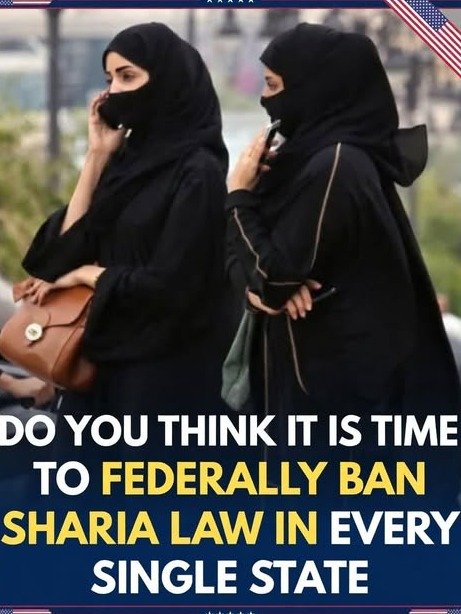
Imagine a nation founded on immutable principles, enshrined in a living document, yet seemingly swayed by the shifting tides of emotion and anxiety. We’ve all seen the images: a prominent political figure, Bible in hand, standing before a church or monument, a potent symbol laden with layers of meaning. But what does this imagery truly represent in the grand tapestry of American identity?
This isn’t merely about a single politician or a fleeting moment; it’s about a deeper, more profound question that cuts to the very core of American governance and societal cohesion. Are we, as a nation, still guided by the rational, deliberative framework laid out in our Constitution, or has an insidious undercurrent of fear begun to dictate our collective path?
The Potent Symbolism of the Bible in Politics
When public figures, particularly those in positions of immense power, brandish religious texts like the Bible, it sends a powerful, often complex message. For some, it signifies a deep personal faith, a moral compass guiding their actions and policies. It can be a reaffirmation of the religious values many Americans hold dear, suggesting a leader who shares their spiritual convictions and will govern with a divine blessing.
However, for others, such displays can appear as a calculated political maneuver, a performance designed to rally a specific base or to project an image of righteousness that may or may not align with actual conduct. This instrumentalization of a sacred text can spark intense debate, raising questions about the separation of church and state, the sincerity of the gesture, and the potential for religious symbols to be co-opted for secular power.
America’s Bedrock: The Enduring Power of the Constitution
At its heart, the United States is a constitutional republic. The Constitution is not merely an old document; it is the supreme law of the land, a living blueprint for governance, designed to establish justice, ensure domestic tranquility, provide for the common defense, promote the general welfare, and secure the blessings of liberty. It represents the triumph of reason and foresight over impulsive, authoritarian rule.
This foundational text meticulously outlines the separation of powers, creating a system of checks and balances intended to prevent any single branch or individual from accumulating too much authority. It enshrines fundamental rights and freedoms, guaranteeing protections for every citizen, regardless of their background or beliefs. The Constitution is the ultimate safeguard against tyranny, a testament to the idea that law, not arbitrary will, governs the people.
The Insidious Rise of Fear in the Political Arena
Yet, in stark contrast to the Constitution’s reasoned framework, a powerful and often irrational force frequently shapes our national discourse: fear. Political fear isn’t just a natural human emotion; it’s a carefully cultivated tool, wielded by those who seek to divide, control, and consolidate power. It manifests as warnings of existential threats, economic collapse, cultural erosion, or the demonization of ‘the other,’ whether that be immigrants, political opponents, or minority groups.
When fear takes hold, rational debate often diminishes. Citizens, feeling threatened, become more susceptible to simplistic solutions, authoritarian appeals, and tribal loyalties. Critical thinking can be replaced by emotional reactions, leading to an environment where misinformation thrives and nuanced understanding is lost. This climate of apprehension can erode trust in institutions, foster cynicism, and ultimately undermine the very democratic processes the Constitution was designed to protect.
“The only thing we have to fear is fear itself—nameless, unreasoning, unjustified terror which paralyzes needed efforts to convert retreat into advance.” – Franklin D. Roosevelt
This timeless quote reminds us that fear, left unchecked, can be a paralyzing force, preventing society from addressing real challenges and instead leading it down paths of division and inaction. It encourages a retreat from shared values and a focus on self-preservation at the expense of communal well-being.
When Symbols Clash: Faith, Law, and Public Perception
The tension becomes particularly acute when religious symbolism, often associated with moral authority and divine truth, appears to clash with constitutional principles, which are rooted in secular law and human reason. When a political leader suggests that their actions are divinely sanctioned, or that a particular religious doctrine should supersede established law, it creates a profound challenge to the constitutional order.
The question then arises: are we to interpret the law through the lens of faith, or are we to uphold the Constitution as the supreme and impartial arbiter for all citizens? The beauty of the American system lies in its ability to accommodate a vast diversity of faiths while ensuring that government remains neutral, protecting the freedom of all to believe, or not believe, as they choose. This delicate balance is easily disrupted when religious symbols are deployed as political weapons.
Historical Precedents: Fear’s Echoes Through Time
This isn’t the first time America has wrestled with the interplay of fear and foundational principles. Throughout history, moments of national anxiety—whether during the Red Scare, the McCarthy era, or periods of war—have often seen constitutional rights curtailed in the name of security or national unity. The internment of Japanese Americans during World War II stands as a stark reminder of how fear can lead to profound injustices, even in a nation dedicated to liberty.
These historical episodes serve as cautionary tales, demonstrating the critical importance of vigilance. They underscore why the Constitution’s checks and balances, and the unwavering defense of individual liberties, are paramount, especially when public sentiment is swayed by panic or prejudice. The lessons from these periods emphasize that true strength lies not in succumbing to fear, but in upholding our founding ideals even in the most challenging times.
Navigating the Modern Landscape: Disinformation and Division
In the digital age, the spread of fear has become even more pervasive and sophisticated. Social media algorithms often create echo chambers, reinforcing existing biases and exposing individuals primarily to information that confirms their fears. Disinformation campaigns, foreign and domestic, exploit these vulnerabilities, sowing distrust in institutions, electoral processes, and even objective facts.
The constant barrage of emotionally charged content makes it increasingly difficult for citizens to discern truth from fabrication, fact from opinion. This environment of heightened anxiety and fractured realities poses an unprecedented challenge to the deliberative democracy envisioned by the Constitution, making it harder to find common ground or engage in constructive dialogue across ideological divides.
Reclaiming the Narrative: A Call for Constitutional Literacy and Courage
So, what truly applies in America today: the Constitution or fear? The answer, ultimately, lies with each of us. It is a continuous choice that demands active participation and unwavering commitment. Reclaiming the narrative begins with constitutional literacy—understanding our rights, our responsibilities, and the intricate workings of our government. It means engaging with civics not as a dusty academic subject, but as a living, breathing framework for our shared future.
It also requires courage: the courage to question narratives, to seek out diverse perspectives, and to resist the siren song of fear-mongering. It means demanding accountability from our leaders, upholding the rule of law, and fostering a culture of respectful discourse, even when disagreements run deep. It means choosing empathy over animosity, and shared principles over tribal loyalties.
The Path Forward: A Deliberate Choice
The images of political figures holding Bibles, or any other potent symbol, will continue to spark debate. But beyond the symbolism, the fundamental question persists: Are we a nation governed by the reasoned, inclusive principles of our Constitution, or are we allowing fear to dictate our policies, divide our communities, and erode our democratic foundations? The path we choose will not only define our present but will irrevocably shape the future of the American experiment. It is a choice we must make deliberately, thoughtfully, and with an unwavering commitment to the ideals that truly make America exceptional.
About the Author




