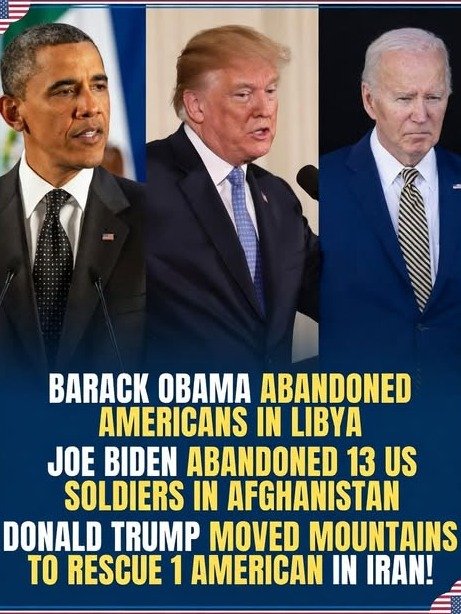
The geopolitical landscape of key regions like Libya, Afghanistan, and Iran has been a relentless test for successive U.S. administrations. For decades, these nations have presented complex challenges, from civil strife and terrorism to nuclear proliferation and regional proxy wars. Each presidential term, whether under Obama, Trump, or Biden, has grappled with an intricate web of historical grievances, internal power struggles, and external influences, leaving an indelible mark on global stability and American foreign policy.
Have you ever wondered how drastically foreign policy shifts with each new president? The approaches taken by the Obama, Trump, and Biden administrations in these critical hotspots offer a fascinating, often stark, contrast. Understanding these strategies and their far-reaching consequences is crucial to comprehending the world we live in today and the future challenges that lie ahead.
Obama’s Era: Intervention and Diplomatic Overtures
When Barack Obama took office, he inherited a global stage still reeling from the Iraq War and the enduring conflict in Afghanistan. His administration aimed for a more multilateral approach, emphasizing diplomacy and strategic partnerships, yet found itself drawn into new crises while attempting to wind down old ones. The guiding principle often seemed to be ‘leading from behind,’ a strategy that sought to empower allies while minimizing direct American military footprint.
In Libya, the Obama administration faced a burgeoning humanitarian crisis in 2011 as Muammar Gaddafi’s forces threatened civilians in Benghazi. The U.S., alongside NATO allies, launched a military intervention under a UN Security Council resolution to protect civilians. This intervention ultimately led to the overthrow and death of Gaddafi, but also plunged Libya into a prolonged period of instability, civil war, and the rise of various militant factions, including ISIS.
The decision to intervene in Libya, though framed as a humanitarian effort, left a lasting and controversial legacy. Critics argued that the lack of a clear post-intervention stabilization plan created a power vacuum, transforming Libya into a chaotic battleground. This outcome significantly influenced future U.S. reluctance to engage in similar nation-building efforts.
Regarding Afghanistan, Obama inherited a war that had been ongoing for nearly a decade. His strategy involved a significant troop surge in 2009, aiming to degrade the Taliban, strengthen the Afghan government, and train local security forces. The goal was to create conditions for a responsible withdrawal, shifting the burden of security onto Afghan shoulders. This surge temporarily stabilized some areas but came at a high cost in lives and resources.
The Obama administration set a timeline for troop withdrawal, signaling an end to perpetual engagement. However, the complexity of the insurgency and the fragility of the Afghan government meant that the exit strategy remained fraught with challenges, pushing the timeline further into the future and setting the stage for subsequent presidential dilemmas.
Iran presented one of Obama’s most significant foreign policy endeavors: the Joint Comprehensive Plan of Action (JCPOA), or the Iran nuclear deal. Negotiated with Iran and five other world powers, the deal aimed to prevent Iran from developing nuclear weapons in exchange for sanctions relief. It represented a monumental diplomatic effort to de-escalate a potential nuclear crisis through engagement rather than confrontation.
The JCPOA was hailed by supporters as a historic achievement that verifiably blocked Iran’s pathways to a nuclear bomb. However, it was fiercely opposed by critics who argued it didn’t address Iran’s ballistic missile program or its destabilizing regional activities, setting the stage for a dramatic reversal in the next administration.
Trump’s Era: ‘America First’ and Maximum Pressure
Donald Trump’s presidency ushered in a radical departure from traditional U.S. foreign policy, characterized by an ‘America First’ doctrine. This approach prioritized domestic interests, challenged existing alliances, and favored unilateral action, often through economic leverage and military posturing. In the Middle East and Central Asia, this meant a significant shift in strategy, particularly concerning the Iran nuclear deal and the protracted war in Afghanistan.
In Libya, the Trump administration adopted a largely hands-off approach, focusing primarily on counter-terrorism efforts against ISIS remnants rather than direct involvement in the country’s civil war. While the U.S. provided some diplomatic support for UN-led peace processes, its engagement was significantly diminished compared to the Obama years. This reduced footprint allowed other regional powers, such as Russia, Turkey, and Egypt, to exert greater influence, further complicating the conflict.
The disengagement, while reducing American exposure, also meant less leverage to shape a peaceful resolution. Libya remained a fractured state, a haven for extremist groups, and a hub for human trafficking, demonstrating the unintended consequences of reduced U.S. presence in complex regional conflicts.
Afghanistan saw the Trump administration initially consider a troop increase, but ultimately pivot towards a definitive withdrawal. Trump expressed strong disdain for ‘endless wars’ and sought to fulfill a campaign promise to bring American troops home. His administration initiated direct peace talks with the Taliban, largely excluding the Afghan government.
This culminated in the Doha Agreement in February 2020, which set a timeline for the complete withdrawal of U.S. forces in exchange for counter-terrorism assurances from the Taliban and a commitment to intra-Afghan negotiations. While lauded by some as a step towards ending the war, critics warned that the deal significantly weakened the Afghan government’s bargaining position and potentially paved the way for a Taliban resurgence.
Iran became a central focus of Trump’s ‘maximum pressure’ campaign. In 2018, the U.S. unilaterally withdrew from the JCPOA, arguing it was a
About the Author




