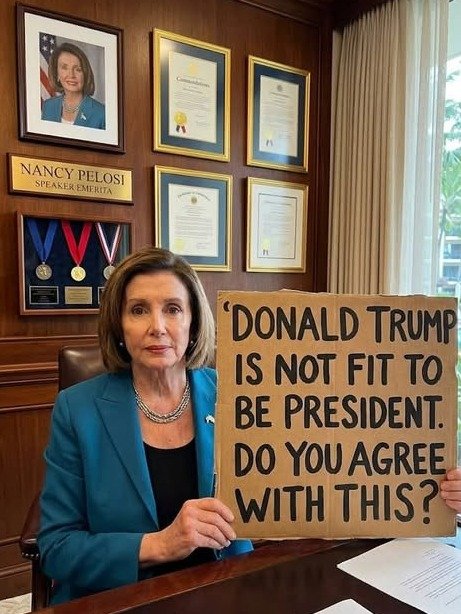
Have you ever felt like the political landscape is less about policy and more about a constant, high-stakes drama unfolding right before your eyes? Modern politics often feels less like a debate and more like a theatrical battle, where every major event is portrayed with apocalyptic urgency. It’s a world where powerful figures become lightning rods, attracting not just criticism, but hyper-charged rhetoric that paints them as almost mythical villains.
This intense climate has transformed political discourse, turning policy disagreements into perceived existential threats. We’re living in an era where the language used to describe political opponents can be so extreme, it evokes imagery of ancient curses, satanic forces, or societal collapse. This isn’t just about winning an argument; it’s about framing the opposition in the most dramatic, often demonizing, terms imaginable.
The Age of Hyperbole: When Words Become Weapons
In today’s political arena, the volume is always turned up to eleven. Every legislative debate, every public statement, and every policy decision is often presented as a make-or-break moment for the nation. This constant state of heightened urgency can be exhausting, but it’s also incredibly effective at capturing attention and galvanizing supporters.
Consider the language often deployed against prominent political figures. Terms like ‘curse,’ ‘genocide,’ or ‘apocalypse’ are not just casual descriptors; they are powerful rhetorical devices designed to instill fear, outrage, and a sense of imminent danger. When critics employ such extreme vocabulary, they aim to elevate their opposition from mere political adversaries to forces of profound evil, making compromise seem not just difficult, but morally reprehensible.
The ‘Dark Empress’ Archetype: Power, Perception, and Polarization
Few figures in recent memory have embodied this phenomenon more distinctly than Nancy Pelosi. As a long-standing, powerful female leader in a highly polarized political environment, she has frequently been cast in a role that transcends traditional political opposition. For her detractors, she often becomes the ‘Dark Empress’—a figure synonymous with progressive ideals perceived as threatening or destructive.
This archetype is not unique to Pelosi, but she serves as a prime example of how powerful women in leadership positions can become targets of particularly intense, and sometimes gendered, demonization. The narrative often shifts from critiquing policies to questioning character, motives, and even portraying them as architects of societal ruin. This kind of rhetoric taps into deeper cultural anxieties and biases, making the political battle feel deeply personal and morally charged.
“When political discourse devolves into character assassination and apocalyptic warnings, it’s a sign that the underlying issues are being obscured by sensationalism.” – Political Analyst
The ‘Dark Empress’ label, or similar epithets, serves to strip a political figure of their humanity, transforming them into a symbol of everything an opposing faction fears or despises. This dehumanization makes it easier to justify extreme rhetoric and dismiss their actions or policies without engaging in substantive debate.
About the Author




