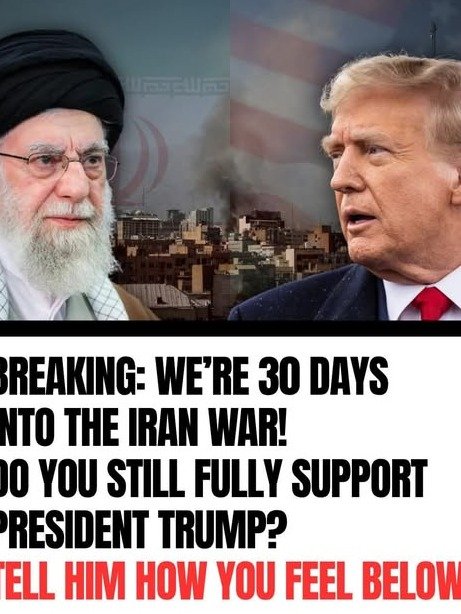
For nearly a month, the world has held its breath as tensions between the United States and Iran have ratcheted up, pushing the Middle East to the brink. What started as a simmering dispute has now become a central, defining challenge for U.S. foreign policy, leaving Americans deeply divided on the path forward. This escalating standoff isn’t just a geopolitical chess match; it has profound implications for global stability, economic markets, and the very fabric of international relations.
The past four weeks have seen a dramatic intensification of rhetoric and strategic maneuvers, signaling a dangerous phase in an already fraught relationship. From heightened military postures to renewed diplomatic warnings, every move is scrutinized, every statement weighed, as both nations navigate a perilous landscape where miscalculation could have catastrophic consequences.
The Alarming Escalation: A Month on the Edge
The recent surge in U.S.-Iran tensions marks a critical juncture, building on years of strained relations that have been punctuated by periods of intense confrontation. Over the last 30 days, a series of events and policy decisions have pushed the two nations closer to a precipice, igniting fears of a wider conflict across the Middle East and beyond. This isn’t merely a return to old patterns; it feels like a new, more dangerous chapter.
Experts point to a combination of factors driving this latest escalation. These include a renewed focus on Iran’s nuclear program, alleged destabilizing actions by Tehran’s regional proxies, and an unwavering U.S. commitment to applying maximum pressure. Each side views the other’s actions through a lens of suspicion and perceived aggression, creating a feedback loop of distrust and heightened alert.
Understanding the U.S. Stance: Pressure and Deterrence
The current U.S. foreign policy approach towards Iran is largely characterized by a strategy of ‘maximum pressure,’ combining stringent economic sanctions with a robust military presence in the region. The stated goal is to compel Iran to cease its nuclear enrichment activities, end its support for various proxy groups, and halt its ballistic missile program. This policy aims to deter further Iranian aggression while also creating leverage for potential future negotiations.
Administration officials frequently emphasize the importance of projecting strength and resolve. They argue that a firm stance is necessary to counter what they describe as Iran’s malign influence and its persistent efforts to destabilize the Middle East. This involves not only naval deployments and air defense systems but also diplomatic efforts to rally international support for sanctions and isolation.
Iran’s Calculated Responses: Defiance and Regional Influence
From Tehran’s perspective, the U.S. maximum pressure campaign is an act of economic warfare designed to cripple its economy and force a change in its leadership or policies. In response, Iran has often adopted a strategy of ‘strategic patience’ interspersed with defiant counter-measures. These have included incremental steps to reduce its commitments under the nuclear deal, maritime incidents, and continued support for its network of regional allies and proxies.
Iran views its regional influence as a legitimate defense strategy and a necessary counterweight to U.S. military presence and the actions of its regional adversaries. Its leadership has repeatedly stated that it will not negotiate under duress and will continue to pursue what it considers its sovereign rights, including the development of its defense capabilities.
A Region on High Alert: The Ripple Effect
The escalating tensions between the U.S. and Iran reverberate intensely across the entire Middle East, a region already grappling with numerous complex challenges. Countries like Saudi Arabia and Israel, long-standing adversaries of Iran, are particularly watchful, often aligning with U.S. policy and urging stronger action against Tehran. They view Iran’s actions as a direct threat to their security and regional dominance.
Other nations, such as Iraq and the Gulf states, find themselves caught in the crossfire, deeply concerned about the prospect of their territories becoming battlegrounds or their economies suffering from disruptions to oil shipping lanes. The delicate balance of power in the Persian Gulf is perpetually threatened, making regional stability a constant, precarious endeavor.
The World Watches: International Diplomacy and Divisions
Beyond the immediate regional players, the international community remains deeply invested in the U.S.-Iran standoff. European powers, in particular, have consistently advocated for de-escalation and a return to diplomacy, often attempting to mediate between Washington and Tehran. They fear the humanitarian and economic fallout of any military conflict and see the nuclear deal as the best path to preventing proliferation.
However, other global powers like China and Russia often express criticism of the U.S. ‘maximum pressure’ approach, viewing it as unilateral and counterproductive. They emphasize the importance of international law and multilateral diplomacy, contributing to a complex global landscape where consensus on how to manage Iran is difficult to achieve.
America Divided: Public Opinion Under Scrutiny
Recent polling data reveals a stark division among Americans regarding the appropriate U.S. foreign policy toward Iran. While there’s a general consensus on the need to prevent Iran from acquiring nuclear weapons, opinions diverge sharply on the means to achieve this goal. Some advocate for continued pressure and military deterrence, while others strongly favor diplomatic engagement and de-escalation.
About the Author




