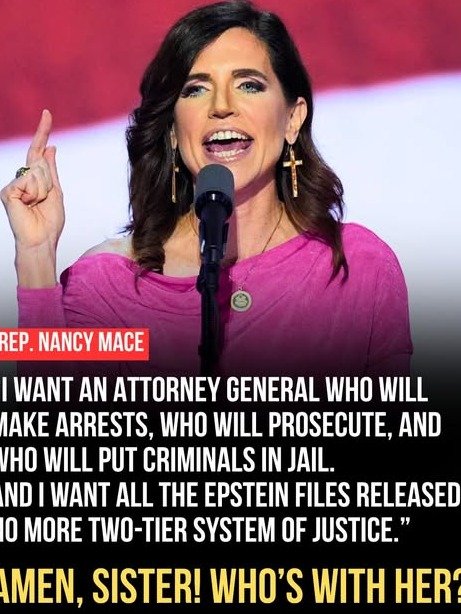
For too long, a quiet frustration has simmered beneath the surface of society: the unsettling suspicion that justice isn’t truly blind. Imagine a world where the rules apply to some, but not to others, where power and connections offer an invisible shield against accountability. This isn’t a hypothetical scenario for many; it’s a lived perception that has eroded faith in our most fundamental institutions.
This deep-seated concern isn’t new, but it’s reaching a fever pitch, sparking a widespread demand for genuine equality under the law. People are tired of excuses, tired of perceived double standards, and ready for a system where everyone, regardless of their status or influence, is held to the same measure. The call for ‘justice without excuses’ is becoming a rallying cry that resonates across communities.
The Cracks in the Foundation of Justice
The perception of a two-tiered justice system is one of the most corrosive forces undermining public trust today. When everyday citizens see powerful individuals or institutions seemingly evade accountability for actions that would land others in serious trouble, it breeds cynicism. This disparity creates a chasm between the ideal of justice and its lived reality, fostering a sense of unfairness that can tear at the fabric of society.
This isn’t merely about isolated incidents; it’s about a pattern that suggests a systemic issue. Whether it’s the ‘too big to fail’ mentality that shields corporations from harsher penalties, or political figures navigating legal challenges with what appears to be a different set of rules, the message is clear: connections often outweigh consequences. This perceived privilege chips away at the very notion of a level playing field.
Historically, there have always been challenges to ensuring truly equal justice, but the digital age has amplified these concerns. Information spreads rapidly, and perceived injustices are instantly scrutinized by millions. This increased transparency means that any hint of favoritism or undue protection for the well-connected is immediately exposed, fueling public outrage and a demand for immediate redress.
A Growing Chorus for True Accountability
This widespread sentiment is now finding a powerful voice, articulating a demand that many conservatives, in particular, have championed for a long time: stop protecting the well-connected and start enforcing the law equally. Figures like Congresswoman Nancy Mace are putting words to this urgent need, transforming a quiet grievance into a national conversation. Her advocacy highlights a core conservative principle: the rule of law must apply universally.
For conservatives, the principle of individual responsibility and the consistent application of law are sacrosanct. They believe that a government of laws, not of men, means that no one should be above the law, regardless of their wealth, influence, or political affiliation. This isn’t just a political talking point; it’s a fundamental tenet of their worldview that underpins a stable and just society.
The demand for ‘justice without excuses’ extends beyond mere rhetoric. It’s a plea for integrity in our institutions, for law enforcement and legal systems to operate with unwavering impartiality. It calls for an end to the perceived loopholes and special considerations that seem to benefit those with power, ensuring that accountability is truly blind and absolute.
Defining “Justice Without Excuses”
So, what exactly does ‘justice without excuses’ look like in practice? It means an unwavering commitment to applying legal statutes and regulations consistently, irrespective of a person’s social standing, political clout, or financial resources. There should be no special treatment, no quiet agreements, and no backroom deals that shield the powerful from the consequences that ordinary citizens would face.
This vision of justice demands transparency at every level of the legal process. It requires that investigations are conducted without prejudice, prosecutions are pursued based solely on evidence, and sentences are handed down fairly and equitably. The public must be able to trust that the system is working as intended, not as a tool to protect an entrenched elite.
“True justice is not merely about punishing the guilty; it is about upholding the integrity of the law for all, ensuring that its protective embrace and corrective hand reach every citizen without distinction.”
The key components of this vital demand include:
- No Immunity Based on Status: Wealth, political office, or social standing should never grant a person immunity from legal scrutiny or consequences.
- Consistent Penalties: Similar offenses should incur similar penalties, eliminating the perception that the powerful receive lighter sentences or avoid prosecution altogether.
- Independent Investigations: Robust and unbiased investigations are crucial to ensure that allegations against the well-connected are thoroughly examined without political interference.
- Public Trust as a Cornerstone: The legal system must actively work to earn and maintain public trust through transparent processes and demonstrable fairness.
The Peril of a Two-Tiered System
The consequences of ignoring this growing demand are dire and far-reaching. A justice system perceived as biased towards the powerful fosters deep societal division and cynicism. When citizens lose faith in the fairness of their legal institutions, they also begin to question the legitimacy of other governmental bodies and democratic processes. This erosion of trust can lead to widespread disillusionment, apathy, or even civil unrest.
Moreover, a system that protects the well-connected undermines the very fabric of democracy. If laws are not enforced equally, then the concept of ‘rule of law’ becomes a hollow promise. It sends a dangerous message that power can circumvent accountability, encouraging corruption and further entrenching an elite class above the reach of common justice. This creates an unstable and unequal society where grievances fester.
The long-term health of any nation relies on its citizens’ belief in fairness and equality before the law. Without this fundamental pillar, the moral authority of the state diminishes, and the bonds that hold a society together begin to fray. The demand for ‘justice without excuses’ is therefore not just a political slogan; it’s an urgent call to safeguard the foundational principles of a just and democratic society.
Rebuilding Trust: A Path Forward
Moving towards a system of genuine equal justice requires a concerted effort from all sectors of society. It demands that elected officials prioritize integrity and accountability over political expediency. It necessitates that law enforcement agencies and judicial bodies recommit to their oaths to uphold the law impartially, without fear or favor. This is a monumental task, but it is one that is essential for the future.
Reforms could include strengthening independent oversight bodies, implementing stricter ethical guidelines for public servants, and ensuring that prosecutorial decisions are made free from political pressure. Fostering a culture of integrity within our institutions is paramount, where the pursuit of justice is the sole guiding principle, not the protection of the powerful.
Citizens also play a crucial role by continuing to demand accountability, engaging with their elected representatives, and supporting initiatives that promote fairness and transparency. The collective voice of the people is a powerful force that can drive necessary change and ensure that the principles of justice are truly applied to everyone, without exception.
Why This Demand Resonates Now More Than Ever
In an age of instant information and heightened awareness, the demand for justice without excuses resonates more powerfully than ever before. People are more informed, more connected, and less willing to accept explanations that feel disingenuous or self-serving. The universal human desire for fairness is being amplified, turning a long-held conservative concern into a broad societal movement.
This isn’t just about political ideology; it’s about a fundamental human expectation for fairness and equality. When that expectation is repeatedly unmet, the pressure for change becomes irresistible. The movement to end elite protection and enforce the law equally is a testament to the enduring American ideal that no one, absolutely no one, is above the law.
The future of our legal system, and indeed the health of our democracy, hinges on addressing this fundamental imbalance. The time for excuses is over; the time for genuine, equal justice for all is now.
About the Author




