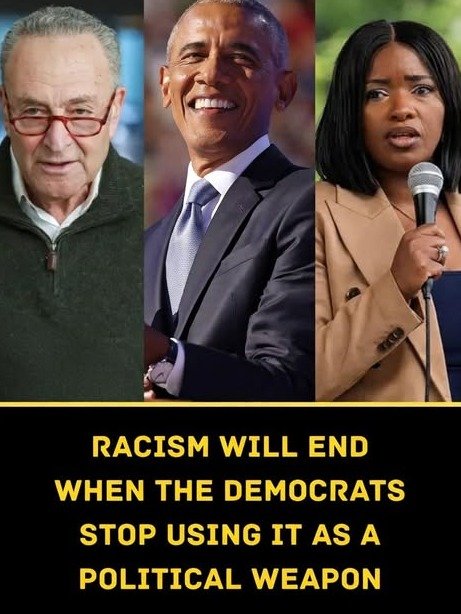
We all yearn for a stronger, more cohesive nation, united by common purpose and shared values. Yet, despite widespread calls for national unity, many feel our societies are becoming increasingly fragmented. What if the very strategies intended to bridge divides are, in fact, inadvertently widening them?
This isn’t just a rhetorical question; it’s a growing concern for many who observe the current cultural and political landscape. The pursuit of national unity is a noble goal, but the path we take to achieve it profoundly shapes the outcome. There’s a compelling argument that an overemphasis on specific identity markers, particularly race, by certain political factions, is creating significant barriers to the very unity we seek.
The Shifting Sands of Identity Politics
For decades, the concept of national unity often revolved around shared civic ideals, a common language, and a collective national narrative. However, in recent years, the discourse has undeniably shifted. The political Left, in particular, has increasingly championed an approach that centers identity, especially race, as the primary lens through which to understand societal structures and historical grievances.
This intensified focus manifests in various ways, from academic theories like Critical Race Theory being discussed in public forums to policy initiatives that prioritize racial equity above other forms of equality. While the intention behind these efforts is often to address historical injustices and systemic inequalities, their implementation can sometimes have unintended consequences, leading to a deepening sense of division rather than cohesion.
When Focusing on Differences Divides Us
The core assertion is that an excessive, rather than balanced, focus on race can become a significant impediment to national unity. When the primary narrative consistently highlights differences and historical oppression along racial lines, it risks overshadowing the commonalities that bind people together. It can inadvertently foster a sense of ‘us versus them,’ where group identity trumps shared national identity.
Consider the daily conversations unfolding across social media and news channels. Often, discussions about societal problems quickly devolve into racialized arguments, making it difficult to find common ground or collective solutions. This constant emphasis on racial categorization can lead to resentment, tribalism, and a breakdown in empathy across different demographic groups.
“Unity does not mean uniformity. But it does mean a shared commitment to a common future, built on principles that transcend individual identity groups.” – A recent commentator on social cohesion.
When every issue, from economic disparity to educational outcomes, is framed predominantly through a racial lens, it can obscure other contributing factors like class, geography, or individual choices. This reductionist view can prevent a more holistic understanding of complex problems and hinder the development of broadly acceptable solutions.
The Argument for an Identity-First Approach
It’s crucial to acknowledge the perspective of those who advocate for this race-centric approach. Proponents argue that race has been, and continues to be, a fundamental organizing principle of society, shaping power structures, opportunities, and experiences. They believe that ignoring race or downplaying its significance would be to perpetuate historical injustices and systemic inequalities.
From this viewpoint, true unity cannot be achieved without first addressing the deep-seated racial disparities that exist. They argue that a ‘colorblind’ approach is insufficient because it fails to recognize the unique challenges and historical burdens faced by marginalized racial groups. For many, a focus on race is not about division, but about achieving a more just and equitable society where everyone can truly participate.
Historical Context and the Pursuit of Unity
Nations throughout history have grappled with the challenge of uniting diverse populations. The United States, often called a ‘melting pot’ or ‘salad bowl,’ has always navigated complex racial and ethnic dynamics. Early attempts at unity often involved assimilation, where minority cultures were expected to conform to a dominant culture.
However, as societies evolved and recognized the value of diversity, the approach shifted towards multiculturalism, celebrating different backgrounds while still aiming for overarching national cohesion. The current debate represents a further evolution, where the emphasis is less on simply coexisting and more on actively dismantling perceived power imbalances rooted in race.
Rebuilding Bridges: Pathways to Genuine Unity
If an excessive focus on racial division is indeed a barrier, how can we foster unity while still acknowledging diversity and addressing historical wrongs? The answer likely lies in finding a balanced approach that emphasizes shared humanity and common goals, without dismissing the unique experiences of different groups.
Here are some potential pathways:
- Focus on Shared Values: Re-emphasize universal values like justice, equality of opportunity, freedom, and civic responsibility that can unite people across racial lines.
- Promote Constructive Dialogue: Encourage conversations that seek understanding and common ground, rather than perpetuating blame or division. This involves active listening and a willingness to engage with differing viewpoints respectfully.
- Address Systemic Issues Holistically: While race is a factor, acknowledge that poverty, lack of education, and economic inequality affect people of all races. Developing solutions that uplift all communities, rather than solely focusing on racial categories, can foster broader support and genuine progress.
- Cultivate a Stronger National Identity: Encourage a sense of shared national identity based on civic ideals and a common future, allowing individuals to hold multiple identities (racial, ethnic, national) without one necessarily undermining the other.
- Emphasize Individual Agency and Responsibility: While acknowledging systemic factors, also empower individuals and communities to take ownership of their future, fostering resilience and self-determination across all demographics.
The Dangers of Unchecked Polarization
Continuing down a path of increasing racial polarization carries significant risks. It can erode trust in institutions, paralyze political action, and even lead to social unrest. When citizens view each other primarily through the lens of racial identity and historical grievance, the fabric of civil society begins to fray.
A truly unified nation is one where people from all backgrounds feel they belong, can contribute, and are valued. It’s a nation where disagreements can be debated robustly but resolved through shared democratic processes, rather than escalating into intractable identity conflicts. The challenge before us is to find a way to honor our diverse past and present, while also building a future where unity is not just an aspiration, but a tangible reality.
Ultimately, the call for national unity isn’t about ignoring race or pretending differences don’t exist. It’s about finding a way to move beyond an exclusive focus on what divides us and instead, elevate the values, aspirations, and shared humanity that can bring us together. It’s about building bridges, not just highlighting chasms, and ensuring that our pursuit of a better society doesn’t inadvertently lead us further apart.
About the Author




