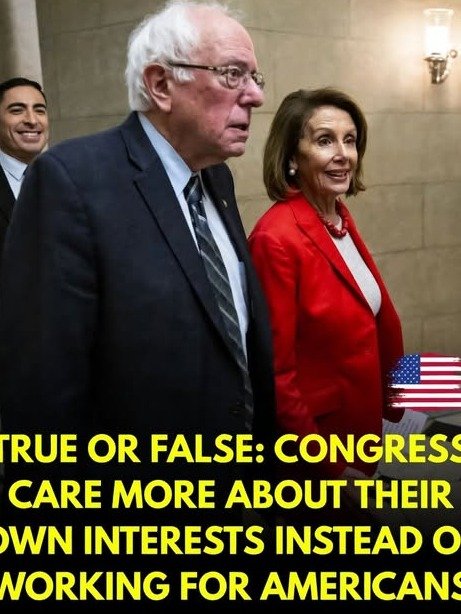
Have you ever felt a deep sense of frustration watching the news, wondering if anyone in power truly has your best interests at heart? You’re not alone. Across America, a growing wave of disillusionment is washing over the legislative branch of our government, fueling a critical question: are our elected officials truly leading, or are they primarily protecting themselves?
This isn’t just about political disagreements; it’s about a fundamental conflict at the heart of governance. The tension between genuine leadership – serving the public good with integrity and vision – and the instinct for self-protection – prioritizing personal, party, or re-election interests – has reached a boiling point. The consequences for our nation are profound and far-reaching.
Defining True Leadership in Public Service
Before we delve into the problem, let’s clarify what true leadership in a democratic government should entail. At its core, it means putting the needs of the constituents and the nation above all else. It demands courage to make difficult decisions, even unpopular ones, for the long-term benefit of society.
A genuine leader demonstrates integrity, transparency, and a commitment to principle. They are visionaries who can unite diverse groups, forge consensus, and work tirelessly towards common goals. This form of leadership transcends partisan lines, focusing instead on solutions that strengthen the country as a whole.
The Allure of Self-Protection in Politics
Now, consider the powerful gravitational pull of self-protection. For many politicians, the drive to maintain power, secure re-election, and advance their personal or party agenda can become an overwhelming force. This instinct is deeply human, but in the context of public service, it often clashes directly with the ideals of true leadership.
Self-protection manifests in various forms: avoiding accountability, pandering to special interest groups, prioritizing fundraising over policy work, or engaging in hyper-partisan rhetoric to energize a base. It can also involve sidestepping tough votes, delaying critical legislation, or obstructing progress simply to make the opposing party look bad.
Gridlock and Partisan Warfare: Symptoms of Self-Protection
The most visible symptom of self-protection trumping leadership is the pervasive gridlock plaguing Washington. Major issues – from infrastructure and healthcare to immigration and climate change – languish for years, not due to a lack of viable solutions, but because political factions are more concerned with scoring points against each other than with actually solving problems.
This constant partisan warfare creates an environment where compromise is seen as weakness, and cooperation is rare. Instead of thoughtful debate and constructive negotiation, we often witness grandstanding, finger-pointing, and a relentless focus on the next election cycle. The public, meanwhile, is left feeling unheard and unrepresented.
The Erosion of Trust and Public Faith
When elected officials appear more focused on their own survival or partisan victories, public trust inevitably erodes. Americans grow increasingly cynical, viewing politics as a self-serving game rather than a noble pursuit of public good. This cynicism is a dangerous threat to democracy itself, as it discourages civic participation and fosters a sense of helplessness.
“When leaders prioritize their own political survival over the needs of the nation, they don’t just betray their oath; they dismantle the very foundation of public trust.” – A concerned citizen’s sentiment echoed across the nation.
The perception that politicians are out of touch, beholden to donors, or simply unwilling to work together fuels a deep sense of frustration. This frustration isn’t just a fleeting emotion; it’s a structural challenge that threatens the stability and effectiveness of our government.
How Self-Protection Undermines National Progress
Beyond gridlock, the dominance of self-protection has tangible negative impacts on national progress. Critical investments in education, scientific research, and infrastructure are delayed or underfunded. Urgent social and economic challenges are left unaddressed, creating greater burdens for future generations.
Consider the long-term consequences: a less competitive economy, a less prepared workforce, and a populace struggling with issues that could have been resolved years ago. This isn’t just about policy failure; it’s about a failure of vision and a betrayal of the promise of public service.
The Role of Media and the 24/7 News Cycle
The modern media landscape, with its relentless 24/7 news cycle and social media echo chambers, also plays a significant role in exacerbating the self-protection instinct. Politicians are constantly under scrutiny, and every misstep can be amplified and weaponized by opponents.
This environment incentivizes caution, calculated messaging, and a focus on optics rather than substance. The pressure to always be ‘on message’ and to avoid any perceived vulnerability can stifle genuine debate and make it harder for leaders to take risks or admit mistakes, even when doing so would benefit the public.
Are Voters Part of the Problem?
It’s crucial to acknowledge that the public also bears some responsibility. In an increasingly polarized society, many voters prioritize party loyalty above all else. We often reward politicians who are aggressive partisans, who ‘fight’ for our side, rather than those who seek common ground and compromise.
If voters consistently re-elect officials who prioritize ideological purity or self-preservation over collaborative problem-solving, then the cycle of self-protection will continue. Holding our leaders accountable means demanding genuine leadership, not just partisan victories.
Reclaiming True Leadership: A Path Forward
So, what can be done to shift the balance back towards true leadership? It’s a complex challenge, but several avenues offer hope:
- Electoral Reform: Changes to campaign finance laws, gerrymandering, and primary election systems could reduce the pressure on politicians to constantly fundraise and cater to extreme factions.
- Civic Education: A renewed focus on civics in schools and public discourse can empower citizens to better understand their government and demand higher standards from their representatives.
- Holding Leaders Accountable: Voters must actively engage, research candidates beyond party labels, and support those who demonstrate integrity, a willingness to compromise, and a genuine commitment to public service.
- Promoting Dialogue: Encouraging platforms and initiatives that foster cross-partisan dialogue and problem-solving can help bridge divides and remind elected officials of their shared national purpose.
Ultimately, the change must come from both within the political system and from an engaged, informed citizenry. We cannot afford to be passive observers as self-protection continues to erode the foundations of our democracy.
The Urgent Call to Action for Every American
The frustration with our legislative branch is a clear warning sign. It’s a call for every American to reflect on what kind of leadership we truly want and demand. Do we want leaders who are perpetually looking over their shoulders, protecting their careers and party lines, or do we want courageous public servants who prioritize the well-being of our nation above all else?
The choice is not just theirs; it’s ours. By becoming more informed, more engaged, and more discerning in our votes, we can begin to shift the tide. Let us insist that leadership, not self-protection, once again becomes the guiding principle of our legislative branch. Our nation’s future depends on it.
About the Author




