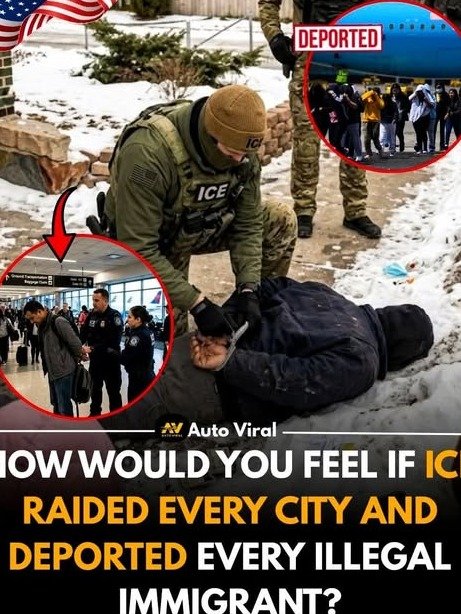
Imagine an America fundamentally transformed, its very fabric altered by policy decisions made today. The debate surrounding immigration enforcement isn’t merely a political talking point; it’s a profound discussion about who we are as a nation, what values we uphold, and what kind of future we are actively building for ourselves and generations to come.
For decades, the question of how to manage our borders and integrate newcomers has sparked intense passion and division. Every proposed solution, from stricter controls to more comprehensive pathways, carries with it a vision of a different America. But what would these different Americas truly look like? What are the profound, often unseen, implications of each enforcement strategy?
The Historical Tapestry of American Immigration
America has always been a nation of immigrants, a melting pot forged by successive waves of people seeking new opportunities, freedom, or refuge. From the early European settlers to the influxes from Asia, Latin America, and Africa, each group has contributed to the rich cultural mosaic and economic dynamism that defines the United States.
Yet, alongside this history of open arms, there has always been a parallel narrative of control and regulation. Laws like the Chinese Exclusion Act, the Immigration Act of 1924, and later reforms shaped who could enter and under what conditions. This complex history underscores that immigration policy has never been static; it’s a constant negotiation between ideals and practicalities.
The Call for Stricter Enforcement: A Vision of Order
Advocates for stricter immigration enforcement often emphasize the importance of national sovereignty and the rule of law. They argue that a nation without secure borders cannot truly control its destiny, protect its citizens, or maintain the integrity of its legal systems. The core belief here is that orderly, legal immigration is essential for a functioning society.
Concerns frequently raised include national security threats, the perceived strain on public services like schools and healthcare, and the potential impact on the job market for native-born citizens. Proponents suggest that uncontrolled immigration can depress wages, especially for low-skilled workers, and place an undue burden on taxpayers to support undocumented populations.
“A nation that cannot control its borders is not a nation.” – A common refrain from strict enforcement advocates.
Furthermore, many argue that lax enforcement encourages more illegal immigration, creating a cycle that undermines the legal immigration process. They believe that strong deterrents, including increased border patrol, walls, and swift deportations, are necessary to restore order and ensure that those who wish to come to America do so through established legal channels.
The Economic Imperative: Jobs, Wages, and Innovation
The economic arguments for stricter enforcement often center on the idea that undocumented workers take jobs away from American citizens or depress wages. However, the reality is far more nuanced. Studies have shown varying impacts, with some sectors heavily reliant on immigrant labor, particularly in agriculture, construction, and hospitality.
A significant portion of the debate also revolves around the fiscal impact. While some argue that undocumented immigrants consume more in public services than they pay in taxes, others point to studies showing that immigrants, both legal and undocumented, contribute billions annually in taxes, sales, and property taxes, fueling local economies.
Arguments for Comprehensive Reform: A Vision of Inclusion
On the other side of the debate are those who advocate for more comprehensive immigration reform, often including pathways to citizenship for undocumented immigrants already in the country, alongside improved border management. Their arguments frequently center on humanitarian concerns, economic contributions, and the practical realities of a large, embedded population.
Proponents highlight the human cost of current enforcement policies, including family separations, the plight of asylum seekers, and the fear that permeates immigrant communities. They argue that a humane approach is not only morally right but also more effective in the long run than a purely enforcement-driven strategy.
Economically, advocates for reform emphasize the vital role immigrants play in filling labor gaps, especially in sectors that struggle to find native-born workers. Immigrants are also noted for their high rates of entrepreneurship, starting businesses and creating jobs at a higher rate than native-born citizens. Their consumer spending further stimulates local economies.
- Filling Labor Gaps: Immigrants often take jobs that native-born workers are unwilling or unable to do, particularly in agriculture, construction, and caregiving.
- Entrepreneurship: Immigrants are more likely to start businesses, driving innovation and creating new employment opportunities.
- Demographic Contribution: With an aging native-born population, immigration helps maintain a younger workforce and tax base, supporting social security and other programs.
- Cultural Enrichment: Immigrants bring diverse perspectives, traditions, and skills that enrich American society and foster innovation.
Furthermore, many argue that integrating undocumented immigrants into the legal system would bring them out of the shadows, allowing them to pay taxes more openly, access better jobs, and become fully contributing members of society, ultimately benefiting the entire nation.
What Would America Look Like with Drastically Stricter Enforcement?
Let’s consider a future where enforcement becomes dramatically stricter, prioritizing deportation and border security above all else. This scenario would likely involve a significant increase in border patrol agents, advanced surveillance technology, and potentially a more extensive physical barrier along the border. Interior enforcement would also ramp up, leading to more arrests and deportations.
Economically, the impact could be profound. Industries heavily reliant on immigrant labor, such as agriculture, construction, and hospitality, would face severe labor shortages. This could lead to increased production costs, higher prices for consumers, and potentially a decline in certain sectors. Innovation might slow as a significant portion of the entrepreneurial class faces new barriers or leaves.
Socially, such an America might feel more divided. Communities with large immigrant populations could experience heightened fear and distrust of authorities. Family separations would become even more common, leading to immense human suffering and social instability. The “us vs. them” mentality could deepen, fracturing national unity.
Culturally, while some might argue for a return to a more “traditional” American identity, others would lament the loss of diversity and the vibrant contributions that immigrant cultures bring. Cities and towns that have been revitalized by immigrant communities might see a decline in population and economic activity.
The America of Comprehensive Immigration Reform
Now, let’s envision an America that embraces comprehensive immigration reform, focusing on a balance of secure borders, humane processing, and pathways to integration for those already here. This could involve streamlined legal immigration processes, more robust support for asylum seekers, and a structured path to citizenship for undocumented immigrants who meet certain criteria.
Economically, this path could unlock significant potential. Bringing millions of people out of the shadow economy would mean more tax revenue, increased consumer spending, and a more stable workforce. Businesses would benefit from a more predictable labor supply and a larger pool of talent. Studies suggest that comprehensive reform could boost GDP by billions over a decade.
Socially, such an approach could foster greater unity and trust within communities. By providing legal status, immigrants would be more likely to report crimes, access essential services without fear, and fully participate in civic life. This could lead to stronger, more cohesive communities and a reduction in social inequalities.
Culturally, this America would continue to celebrate its diversity, viewing it as a source of strength and innovation. New traditions and perspectives would continue to blend with existing ones, enriching the national identity. While challenges of integration would still exist, they would be approached with a framework designed to support success rather than create barriers.
The Status Quo: A Nation in Limbo
Perhaps the most likely, and arguably most challenging, scenario is a continuation of the current status quo: a cycle of political gridlock, piecemeal enforcement, and unresolved humanitarian crises. This path is characterized by a lack of consistent policy, leading to uncertainty for immigrants and native-born citizens alike.
Economically, the status quo creates instability. Businesses hesitate to invest in sectors reliant on immigrant labor due to unpredictable policies. Undocumented workers remain in the shadow economy, limiting their economic potential and tax contributions. Resources are continuously diverted to reactive enforcement measures rather than proactive solutions.
Socially, the division persists. Border regions remain overwhelmed, and the humanitarian crisis at the border continues to ebb and flow with political tides. Communities remain fractured by fear and suspicion, and the national conversation remains polarized, making true progress incredibly difficult.
This path offers neither the perceived security of strict enforcement nor the potential benefits of comprehensive reform. Instead, it leaves America in a constant state of flux, unable to fully address the challenges or harness the opportunities that immigration presents.
The Human Element: Beyond the Statistics
Behind every policy debate and every proposed solution are millions of human stories. Families seeking safety, individuals striving for a better life, workers contributing their labor and skills. The decisions made regarding immigration enforcement have profound, life-altering consequences for these individuals and their communities.
Understanding the human element is crucial. It reminds us that immigration is not just about numbers or borders; it’s about people, their hopes, their struggles, and their dreams. Any vision for America’s future must consider the impact on these lives and strive for solutions that uphold dignity and opportunity.
Choosing America’s Path Forward
The debate over immigration enforcement is one of the most critical discussions facing the United States today. The choices we make will not only define our borders but also shape our economy, our society, and our national identity for decades to come. There are no easy answers, and each path presents its own set of challenges and opportunities.
What is clear is that a thoughtful, informed dialogue is essential. Moving beyond partisan rhetoric to understand the multifaceted impacts of different approaches is the only way to forge a sustainable and equitable future. The America of tomorrow is being built today, brick by brick, policy by policy. It is up to us to decide what that future will truly look like.
About the Author




