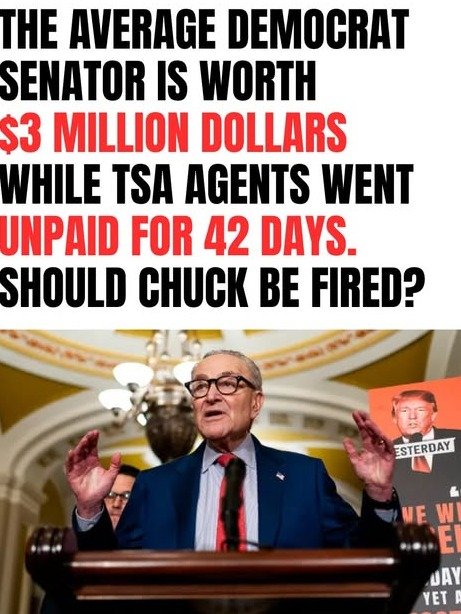
Imagine preparing for your much-anticipated trip, only to arrive at the airport and find chaos. Endless lines snake through the terminal, security checkpoints are understaffed, and the air is thick with frustration. This isn’t a hypothetical nightmare; it’s the stark reality facing millions of travelers during a government shutdown, where the very individuals tasked with keeping us safe are forced to work without a paycheck.
The unseen heroes of our nation’s airports, the dedicated Transportation Security Administration (TSA) agents, are often the first line of defense against threats. Yet, when political impasses halt federal funding, these crucial personnel are deemed ‘essential’ – meaning they must report for duty – but without the fundamental promise of compensation. This isn’t just an inconvenience; it’s a silent crisis that jeopardizes both national security and the everyday lives of countless Americans.
The Unseen Crisis: What Happens When Government Stops?
A government shutdown occurs when Congress fails to pass appropriation bills, or the president vetoes them, leading to a lapse in funding for federal agencies. While some government functions cease, ‘essential’ services, particularly those related to national security and public safety, are mandated to continue. This includes critical agencies like the TSA.
While politicians debate in Washington, the real-world consequences ripple across the country, profoundly impacting the lives of federal employees and the public they serve. For TSA agents, this means reporting to work every day, performing their vital duties of screening passengers and baggage, all while their paychecks are suspended indefinitely. The emotional and financial toll is immense, yet their commitment to duty often remains unwavering.
The Human Cost: TSA Agents on the Front Lines, Unpaid
Consider the average TSA agent. Many are working-class individuals with families, mortgages, rent, and daily expenses. When a shutdown hits, their income stream vanishes overnight, throwing their personal finances into immediate disarray. Bills don’t stop coming, and mouths still need to be fed, creating an unimaginable burden on those sworn to protect us.
This isn’t just about missing a paycheck; it’s about the profound stress and anxiety that comes with financial uncertainty. Agents might face the agonizing decision between showing up for work to ensure public safety and finding alternative ways to earn money to support their loved ones. Such an untenable situation undeniably affects morale and, potentially, the rigorous vigilance required for their demanding roles.
“Our agents are showing up every day, putting their personal financial struggles aside to ensure the safety of the traveling public. Their dedication is commendable, but they shouldn’t have to choose between their duty and putting food on their tables.” – A hypothetical union representative’s statement.
The sheer dedication of these individuals, continuing to perform their often thankless jobs under such duress, is a testament to their professionalism. However, it’s also a stark reminder of the systemic failures that place such an unfair burden on essential workers during political stalemates.
Airport Chaos: A Looming Threat to Travel and Security
The direct consequence of this financial strain on TSA agents is often visible at airports nationwide. As the shutdown drags on, some agents may be forced to call out sick or seek temporary employment elsewhere to make ends meet. This leads to critical staffing shortages at security checkpoints.
Fewer agents mean longer lines, which can stretch for hours, causing significant delays and missed flights for travelers. The frustration builds not only among passengers but also among the remaining, overworked TSA staff. This creates a stressful environment that is far from ideal for maintaining optimal security protocols.
- Increased Wait Times: Passengers experience significantly longer waits, leading to missed connections and travel disruptions.
- Reduced Morale: Unpaid and overworked agents may struggle to maintain peak performance and vigilance.
- Operational Strain: Airports and airlines face immense pressure to manage the flow of passengers under strained conditions.
The ripple effect extends beyond mere inconvenience. Businesses suffer from delayed or canceled travel, tourism takes a hit, and the overall efficiency of our nation’s air travel system is severely compromised. This visible disruption is a clear indicator of the invisible strain placed upon our security infrastructure.
Beyond the Lines: Unpacking the Security Implications
While long lines are frustrating, the more insidious threat lies in the potential compromise of security itself. A workforce under severe financial stress, possibly distracted by personal worries, may not be able to maintain the same level of focus and vigilance required for detecting subtle threats.
Every bag screened, every passenger checked, requires unwavering attention to detail. When staff numbers dwindle, those who remain are often forced to work longer hours, potentially leading to fatigue and reduced effectiveness. This creates vulnerabilities that could be exploited by those seeking to do harm, turning airport chaos into a genuine national security concern.
The integrity of the entire air travel security system relies on a well-trained, well-rested, and well-compensated workforce. When any of these pillars falter, the foundation of our safety begins to crack. The security implications of an extended shutdown are not just theoretical; they are a very real danger that demands immediate attention and resolution.
The Ripple Effect: Broader Economic and Societal Consequences
The impact of a government shutdown on air travel extends far beyond the immediate airport experience. Airlines face increased costs due to delays, missed flights, and potential cancellations. Businesses reliant on air travel for conferences, client meetings, or supply chain logistics suffer significant losses.
The tourism industry, a vital component of many local economies, also takes a substantial hit. Travelers, wary of potential disruptions, may postpone or cancel trips, leading to lost revenue for hotels, restaurants, and attractions. This economic downturn creates a domino effect, impacting countless small businesses and their employees.
Furthermore, the repeated spectacle of government shutdowns erodes public trust in our political institutions. It fosters a sense of instability and uncertainty, which can have long-term societal consequences, making people question the reliability and effectiveness of their own government in providing essential services.
Voices from the Front: Stories of Sacrifice and Frustration
Behind every extended line and delayed flight are the individual stories of TSA agents grappling with an impossible situation. There’s the single parent struggling to explain to their child why there’s no money for groceries, or the agent who has to choose between paying their mortgage or buying essential medication.
These are not just statistics; they are dedicated public servants making immense personal sacrifices. Many express a deep sense of frustration at being caught in the crossfire of political disagreements, yet their resolve to protect the flying public often overrides their personal hardship. Their commitment, despite the lack of pay, is a powerful, if heartbreaking, display of patriotism.
Their stories underscore the critical need for a stable and predictable government that values and supports its essential workforce. These are the individuals who stand between us and potential threats, and their well-being is intrinsically linked to our collective safety.
What Can Be Done? Navigating the Shutdown and Beyond
The most immediate solution to the challenges posed by a government shutdown is, of course, a swift and amicable resolution by lawmakers. However, while political negotiations unfold, there are steps travelers can take to mitigate the impact on their journeys.
- Check Flight Status Regularly: Stay updated on your flight’s status directly with your airline.
- Arrive Extra Early: Plan to arrive at the airport significantly earlier than usual to account for extended security lines.
- Be Patient and Kind: Remember that TSA agents are working under immense stress and without pay. A little empathy goes a long way.
- Pack Smart: Ensure your carry-on meets all requirements to avoid delays at security.
Beyond individual actions, the recurring nature of government shutdowns highlights a deeper systemic issue. There is a strong argument to be made for legislative solutions that protect essential workers from the financial fallout of political impasses, ensuring that national security is never compromised by budgetary disagreements.
The Unsung Heroes Deserve Better
The government shutdown isn’t just a political talking point; it’s a harsh reality that directly impacts the safety and convenience of air travel for millions. The dedication of TSA agents, working tirelessly without pay to uphold national security, is nothing short of heroic. Yet, their unwavering commitment should not come at such a profound personal cost.
As airport lines stretch and the specter of compromised security looms, it becomes clear that these essential workers, the unsung heroes of our airports, deserve better. They deserve stable employment, fair compensation, and the assurance that their sacrifices for public safety will not be met with financial uncertainty. Our collective safety and the smooth functioning of our nation’s infrastructure depend on it.
About the Author




