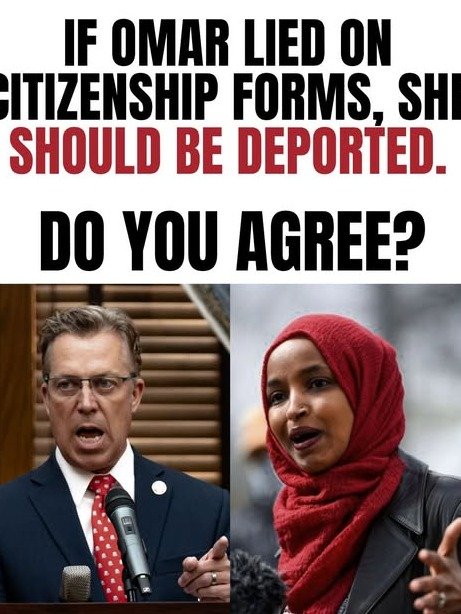
Suddenly, it feels like every news cycle, every political speech, and every dinner table conversation circles back to one explosive topic: immigration and citizenship. These aren’t just abstract policy discussions; they are deeply personal, profoundly economic, and fundamental to the very fabric of our societies. But why are these debates, which have simmered for decades, now reaching a fever pitch, demanding our urgent attention?
The truth is, the discussion around who belongs, who can enter, and what it means to be a citizen has never truly gone away. However, recent global events, shifting demographics, and intense political rhetoric have converged to thrust these complex issues back onto the main stage, igniting passions and dividing opinions across the globe. Understanding this resurgence is crucial for anyone hoping to navigate the future.
The Resurgence: Why Now?
The current heightened tension surrounding immigration and citizenship isn’t a random occurrence. Several powerful forces are converging to make these topics unavoidable. From escalating geopolitical conflicts displacing millions to economic anxieties fueling protectionist sentiments, the world stage is set for intense debate.
Border situations, for instance, are often the most visible flashpoints. Whether it’s the southern border of the United States, the Mediterranean routes into Europe, or the ongoing refugee crises in various parts of Asia and Africa, images and stories of migrants seeking refuge or opportunity dominate headlines, creating a sense of urgency and often, alarm.
Furthermore, internal political dynamics play a significant role. Electoral cycles frequently see candidates leveraging immigration as a wedge issue, promising stricter controls or more compassionate pathways, depending on their base. This politicization often simplifies incredibly complex realities, making nuanced discussion challenging.
Economic Ripples: Burden or Benefit?
One of the most fiercely debated aspects of immigration centers on its economic impact. Critics often highlight the perceived strain on public services, such as healthcare, education, and social welfare programs, arguing that new arrivals can overwhelm existing infrastructure and resources.
However, proponents counter that immigrants are vital contributors to the economy. They fill labor shortages, particularly in sectors like agriculture, healthcare, and technology, often taking jobs that native-born populations are less willing to do. Many also start businesses at higher rates, creating jobs and fostering innovation.
“Immigrants contribute significantly to the economy through labor, entrepreneurship, and tax revenue, often offsetting the costs associated with their integration into society.” – Economic Policy Institute
The economic reality is often a mixed bag, highly dependent on factors like the skill level of immigrants, the speed of their integration into the workforce, and the specific economic conditions of the host country. Blanket statements rarely capture the full picture.
Social Fabric: Integration and Identity
Beyond economics, immigration profoundly impacts the social and cultural landscape of a nation. Debates often revolve around questions of national identity, cultural assimilation versus multiculturalism, and the potential for social cohesion or fragmentation.
For some, a strong national identity is seen as paramount, advocating for new arrivals to adopt the customs, language, and values of the host country. They worry that large-scale immigration could dilute traditional culture or create parallel societies.
- Assimilation: Encouraging immigrants to adopt the cultural norms of the host country.
- Multiculturalism: Valuing and preserving diverse cultural traditions within a single society.
- Social Cohesion: The degree to which a society is unified and harmonious.
Conversely, others celebrate the enrichment that diverse cultures bring, viewing multiculturalism as a source of strength, innovation, and vibrancy. They argue that societies are constantly evolving and that new perspectives can lead to progress.
The Security Dimension: Borders and Beyond
National security is another critical component of the immigration debate. Concerns about border control, the vetting of new arrivals, and the potential for criminal elements or even terrorists to exploit migration routes are frequently raised by governments and citizens alike.
These concerns often lead to calls for stricter border enforcement, increased surveillance, and more stringent background checks. The perception of an uncontrolled border can fuel public anxiety and demand for immediate action.
However, many human rights organizations and advocates argue that security measures must not come at the expense of humanitarian principles. They emphasize the moral and legal obligations to protect asylum seekers and refugees, ensuring due process and humane treatment, even amidst security considerations.
Citizenship: The Ultimate Question of Belonging
While immigration focuses on entry and residency, citizenship delves into the deeper question of belonging and rights. The path to citizenship, birthright citizenship, and the rights and responsibilities that come with it are all subjects of intense scrutiny.
Should citizenship be easily accessible, or should it be a lengthy, arduous process? Is birthright citizenship (jus soli) still appropriate in modern times, or should it be based solely on parentage (jus sanguinis)? These questions touch upon fundamental principles of nationhood.
The debate also extends to what rights non-citizens should possess. Should long-term residents, even without citizenship, have access to certain benefits or even voting rights in local elections? These are not merely legal questions but deeply philosophical ones about inclusion and participation.
The Humanitarian Imperative
It’s impossible to discuss immigration without acknowledging the profound humanitarian dimensions. Millions of people worldwide are fleeing war, persecution, natural disasters, and extreme poverty. Their journeys are often perilous, marked by immense suffering and loss.
The plight of asylum seekers and refugees challenges nations to balance national interests with international legal obligations and moral responsibilities. The 1951 Refugee Convention, for example, outlines the rights of refugees and the obligations of states to protect them.
Many argue that wealthy nations have a moral imperative to offer refuge and assistance, viewing it as a shared global responsibility. They highlight the human cost of restrictive policies and the potential for collective action to alleviate suffering.
Navigating the Political Minefield
In democratic societies, immigration and citizenship debates are inextricably linked to politics. Different political parties and ideologies approach these issues from vastly different perspectives, making consensus incredibly difficult to achieve.
- Conservatives: Often prioritize national sovereignty, border security, and controlled immigration, emphasizing the rule of law and economic self-sufficiency.
- Liberals/Progressives: Tend to focus on human rights, compassionate policies, pathways to citizenship, and the economic and cultural benefits of diversity.
This ideological divide often results in gridlock, with policy proposals becoming highly contentious. The rhetoric surrounding these debates can also become highly charged, fueling polarization and making it difficult for individuals to engage in constructive dialogue.
Finding Common Ground in a Polarized World
Given the complexity and emotional intensity of these debates, finding common ground feels like an increasingly elusive goal. Yet, ignoring these issues or allowing them to fester only exacerbates the underlying tensions.
Effective solutions will likely require a multi-faceted approach, combining robust border management with efficient and humane processing for asylum seekers, clear pathways for legal immigration, and comprehensive integration programs for new arrivals.
Dialogue, empathy, and a commitment to evidence-based policymaking are essential. Understanding the diverse perspectives—from those concerned about national security to those advocating for human rights—is the first step toward bridging divides.
The Road Ahead: What’s Next?
The debates surrounding immigration and citizenship are not going to disappear. They are fundamental to how nations define themselves, manage their economies, and shape their societies in an increasingly interconnected world. The rising tension signals that we are at a critical juncture, where decisions made today will have profound implications for generations to come.
It is imperative for citizens, policymakers, and communities to engage with these issues thoughtfully, moving beyond soundbites and fear-mongering to seek sustainable, equitable, and humane solutions. Our collective future depends on our ability to navigate these complex waters with wisdom and compassion.
Ultimately, how we address immigration and citizenship will reflect our values, our vision for society, and our capacity to adapt to a changing world. The stakes couldn’t be higher, and the time for informed engagement is now.
Why You Can’t Afford to Ignore This
Whether you’re directly impacted by immigration, concerned about your nation’s economic future, or simply care about social justice, these debates touch every aspect of modern life. They influence everything from local job markets and school resources to national security and international relations.
Understanding the nuances, the differing perspectives, and the potential outcomes is not just an academic exercise; it’s a civic responsibility. The narratives around immigration often shape public policy, and an uninformed public risks being swayed by rhetoric rather than reality.
By staying informed, engaging in respectful dialogue, and demanding thoughtful leadership, we can contribute to a more balanced and effective approach to these critical issues. Don’t let the noise drown out the importance of your voice and your understanding.
Conclusion: A Call for Informed Action
The escalating debates over immigration and citizenship are more than just political talking points; they represent a fundamental struggle over identity, resources, and humanity in the 21st century. The intensity of these discussions reflects real anxieties and aspirations across societies.
As we stand at this critical crossroads, it is vital that we move beyond simple binaries and engage with the full complexity of these issues. Our ability to forge a future that is both secure and compassionate, prosperous and inclusive, depends on our willingness to confront these debates head-on, with open minds and a commitment to finding common ground.
The time for passive observation is over. The time for informed, active engagement with the pressing questions of immigration and citizenship is now. Let’s ensure these crucial conversations lead to constructive solutions, not just further division.
About the Author




