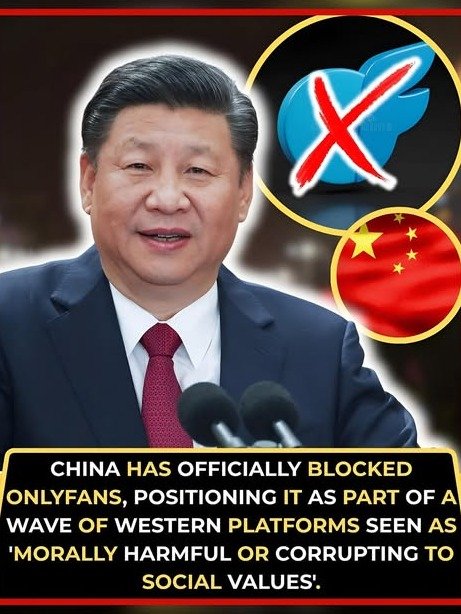
Imagine a digital world where your go-to social media, streaming services, or even creator platforms simply vanish overnight. For millions, this isn’t a dystopian fantasy but a stark reality, especially in China. The nation has once again sent shockwaves through the global digital landscape, intensifying its already stringent internet regulations and, in a recent move, reportedly restricting access to OnlyFans, the popular subscription-based content platform.
This isn’t just about one platform; it’s a profound statement about digital sovereignty and control. China’s latest actions signal a deeper dive into controlling what its citizens can see, share, and consume online. It’s a move that has significant implications not only for global tech companies but also for the very nature of free digital expression worldwide.
The Great Firewall: An Ever-Evolving Digital Barrier
China’s internet censorship system, famously dubbed the “Great Firewall,” is a sophisticated and constantly evolving mechanism designed to regulate internet access within the country. Its primary goal is to control the flow of information, blocking content deemed politically sensitive, culturally inappropriate, or a threat to national stability. This isn’t a static wall; it’s a dynamic, intelligent system that adapts to new technologies and circumvention methods.
Over the years, this digital barrier has effectively shut out many of the world’s most prominent internet services. Giants like Google, Facebook, Twitter, Instagram, and YouTube have long been inaccessible without the use of Virtual Private Networks (VPNs). The recent move against OnlyFans highlights an ongoing trend: as new platforms gain traction globally, they inevitably face scrutiny and potential blockage within China.
Why the Clampdown on Foreign Platforms?
The reasons behind China’s aggressive stance on foreign digital platforms are multi-faceted, stemming from a blend of political, economic, and cultural considerations. At its core, the government seeks to maintain strict control over information dissemination and public discourse.
“Digital sovereignty isn’t just a buzzword in China; it’s a fundamental principle guiding their internet policy. They aim to cultivate an online ecosystem that aligns with their national interests and values, free from what they perceive as external ideological influence or security risks.” – Dr. Li Wei, Digital Policy Analyst.
One major concern is content censorship. Platforms like OnlyFans, known for adult content, clash directly with China’s conservative cultural values and strict regulations on pornography. Beyond explicit content, any platform that allows for uncensored political discussion or independent news reporting is quickly identified as a potential threat to social harmony and government authority.
Data Security and National Interest
Another critical driver for these restrictions is data security. The Chinese government has increasingly emphasized the importance of controlling the data generated by its citizens. Foreign platforms, by their nature, often store user data outside of China, raising concerns about national security and potential espionage.
New data security laws, such as the Cybersecurity Law and the Data Security Law, mandate that critical information infrastructure operators and companies handling large volumes of personal information store data within China. They also impose strict requirements for data transfer out of the country, making it challenging for foreign platforms to comply without fundamentally altering their global operations.
Economic Protectionism and Domestic Alternatives
While not always explicitly stated, an underlying economic motivation also plays a role. By restricting access to foreign platforms, China effectively creates a protected market for its domestic tech giants. Companies like WeChat (Tencent), Weibo (Sina), Douyin (ByteDance, TikTok’s Chinese counterpart), and Bilibili have flourished in the absence of direct competition from global rivals.
These domestic platforms offer similar services – social networking, content sharing, e-commerce, and live streaming – but operate under the direct oversight and censorship requirements of the Chinese government. This strategy fosters national champions while ensuring a compliant digital ecosystem.
OnlyFans: A Case Study in Digital Control
The reported restriction of OnlyFans serves as a pertinent example of this broader trend. While the platform gained immense popularity worldwide as a space for creators to monetize their content directly from subscribers, its business model often involves adult or sexually suggestive material. Such content is strictly prohibited under Chinese law.
- Content Clash: OnlyFans’ primary draw for many creators and subscribers directly violates China’s stringent anti-pornography regulations.
- Unregulated Flow: The platform’s decentralized nature makes it difficult for authorities to monitor and censor individual creators’ content effectively.
- Global Reach vs. Local Laws: Its global accessibility means content created outside China could easily flow into the country, bypassing local controls.
The move underscores that no platform, regardless of its niche or global popularity, is immune to China’s regulatory hammer if it doesn’t align with local laws and cultural norms.
The Impact on Users and Creators
For internet users within China, these restrictions mean a significantly different online experience compared to much of the rest of the world. Accessing global information, entertainment, and social connections often requires technical savvy, such as using VPNs, which themselves are frequently targeted and disrupted by authorities.
For creators who might have hoped to reach a Chinese audience, the barriers are formidable. Monetization opportunities, brand building, and community engagement become incredibly challenging when direct access is blocked. This forces a reliance on heavily monitored domestic platforms, which might not offer the same creative freedom or revenue models.
The Ongoing Digital Arms Race
The relationship between China’s internet regulators and the global digital landscape is often described as a cat-and-mouse game. As the Great Firewall becomes more sophisticated, so do the methods of circumvention. VPN providers constantly update their technology, and users seek out new ways to bypass restrictions.
However, the government’s resources and determination ensure that this remains an uphill battle for those seeking unfettered access. The penalties for developing or distributing unauthorized VPN services are severe, sending a clear message about the risks involved in challenging the digital status quo.
What Does This Mean for the Future?
China’s expanded restrictions on foreign digital platforms, exemplified by the OnlyFans situation, point towards a future of increasing digital fragmentation. We are witnessing the rise of distinct national internets, each governed by its own rules, values, and censorship regimes.
This trend has profound implications for global commerce, cultural exchange, and the very concept of a single, open internet. Companies looking to operate in China must either adhere strictly to its complex regulatory framework or accept that their services will remain outside the Great Firewall. For users, it means a continued struggle for access to a truly global digital experience.
The digital world is becoming less about seamless global connectivity and more about navigating an intricate web of national boundaries and digital borders. As China continues to tighten its grip, the question isn’t just which platforms will be restricted next, but what kind of internet will emerge from this ongoing geopolitical struggle for digital control.
About the Author




