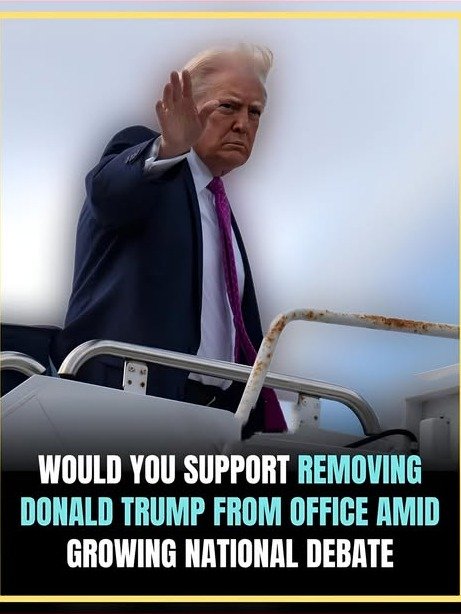
A seismic shift occurred in American politics with the rise and presidency of Donald J. Trump, igniting a national conversation that continues to reverberate across every corner of the country. This isn’t just about policy; it’s about identity, values, and the very future of the nation. The strong opinions emerging from this era are not fading, but rather solidifying, shaping our discourse in profound ways.
Forget what you think you know for a moment and consider this: rarely has a single figure provoked such intense loyalty and fervent opposition simultaneously. His leadership style, policies, and persona have carved deep divisions, yet also forged powerful new alliances, leaving an indelible mark that demands a deeper understanding. To truly grasp the pulse of modern America, we must unpack the contrasting viewpoints that define this ongoing national debate.
The Unprecedented Appeal: A Voice for the Disenfranchised
For millions of Americans, Donald Trump wasn’t just another politician; he was a revolutionary figure who dared to challenge the established order. Supporters often point to voter choice, emphasizing that his election represented a powerful rejection of the political elite and a desire for a leader who spoke directly to their frustrations. They saw him as an authentic voice, unafraid to confront issues long ignored by mainstream politicians.
His campaign slogan, “Make America Great Again,” resonated deeply with those who felt left behind by globalization and economic shifts. This sentiment wasn’t merely about nostalgia; it was a plea for restored economic opportunity and national pride. Many believed he was the only candidate willing to fight for American workers and put the nation’s interests above all else, embodying a genuine desire for change.
Economic Revival and Deregulation: Promises Kept?
One of the most frequently cited achievements by Trump’s supporters was the pre-pandemic economic boom. They highlight significant tax cuts, particularly the Tax Cuts and Jobs Act of 2017, which they argued stimulated business growth, job creation, and investment. Unemployment rates hit historic lows across various demographics, fueling a sense of renewed prosperity and optimism.
“He cut through the red tape like no one else. Businesses could finally breathe, and that meant more jobs and better wages for regular Americans. It wasn’t just talk; we saw the results in our paychecks and our communities.” – A common sentiment among business owners.
Beyond tax reform, his administration pursued an aggressive deregulation agenda, aiming to reduce what it called burdensome federal regulations. Supporters contended that this approach freed businesses from unnecessary constraints, fostering innovation and competitiveness. They saw this as a practical, results-oriented strategy to unleash the American economy’s full potential.
Reshaping the Judiciary and “America First” Doctrine
For many conservatives, Trump’s most significant and lasting legacy lies in his judicial appointments. During his single term, he appointed three Supreme Court justices – Neil Gorsuch, Brett Kavanaugh, and Amy Coney Barrett – fundamentally shifting the ideological balance of the nation’s highest court. This was seen as a fulfillment of a key campaign promise and a crucial step in preserving constitutional principles.
His “America First” foreign policy also garnered immense support. This approach prioritized domestic interests over international agreements and alliances, leading to actions like withdrawing from the Trans-Pacific Partnership and the Paris Agreement on climate change, and renegotiating trade deals like NAFTA. Supporters viewed this as a necessary recalibration, ensuring that American resources and diplomacy served the nation’s direct benefit.
- Trade Renegotiation: Supporters praised efforts to strike what they considered fairer trade deals.
- Border Security: The focus on building a wall and tightening immigration policies was a cornerstone of his appeal.
- Challenging Global Norms: His willingness to confront international bodies and allies was seen as a sign of strength.
The Critics’ Perspective: Divisiveness and Democratic Norms
On the other side of the political spectrum, critics view Donald Trump’s leadership through a vastly different lens, often citing concerns about his rhetoric and its impact on democratic institutions. They argue that his language frequently fueled social and political polarization, exacerbating existing divides rather than uniting the nation. His frequent use of inflammatory remarks and attacks on political opponents, the media, and even members of his own party, was seen as undermining civil discourse.
Many expressed deep alarm over what they perceived as challenges to democratic norms and institutions. His questioning of election results, criticisms of the justice system, and frequent clashes with the legislative branch were viewed as dangerous precedents. Critics worried about the erosion of trust in government and the potential long-term damage to the checks and balances essential for a healthy democracy.
Foreign Policy Shifts and Crisis Management Under Scrutiny
From a critical standpoint, Trump’s “America First” foreign policy was often seen as isolating the United States from its traditional allies and weakening its standing on the global stage. Withdrawals from international agreements, strained relationships with NATO partners, and a transactional approach to diplomacy raised concerns about global stability and America’s role as a world leader. The perceived unpredictability of his foreign policy was a constant source of anxiety for many.
“His approach alienated our allies and emboldened our adversaries. Leadership isn’t just about being tough; it’s about building consensus and maintaining global partnerships. We saw a decline in America’s influence, not a rise.” – A former diplomat’s critique.
Domestically, his administration’s handling of major crises, particularly the COVID-19 pandemic, drew significant criticism. Critics pointed to inconsistent messaging, a perceived downplaying of the virus’s severity, and a fragmented national response as contributing factors to the pandemic’s devastating impact. His response to social unrest and racial justice protests also sparked widespread condemnation, with many arguing that he exacerbated tensions rather than fostering healing.
Legal Challenges and Ethical Questions: A Constant Shadow
Throughout his presidency and beyond, Donald Trump faced an unprecedented number of legal challenges and ethical questions. Investigations into Russian interference in the 2016 election, his business dealings, and his actions during the January 6th Capitol riot cast a long shadow over his administration. Critics often highlighted these ongoing legal battles as evidence of a disregard for the rule of law and ethical conduct.
Allegations of conflicts of interest, particularly concerning his business empire, also fueled public debate. Critics argued that his refusal to fully divest from his businesses created a constant potential for personal gain influencing public policy, eroding public trust in the integrity of the presidency. These concerns contributed to a narrative of an administration often embroiled in controversy.
The Enduring Echoes: A Nation Divided, A Legacy Defined
The national conversation surrounding Donald Trump’s leadership is far from over; it continues to shape political discourse, media narratives, and even personal relationships across the country. His presidency undeniably exposed and deepened existing cultural and ideological rifts, forcing Americans to confront fundamental differences in their visions for the nation’s future. The political landscape has been permanently altered, with new coalitions formed and old ones fractured.
His supporters remain fiercely loyal, often feeling vindicated by his actions and believing he was a victim of unfair scrutiny. His critics, conversely, remain deeply concerned about the precedents set and the long-term implications for American democracy. This chasm of opinion isn’t merely about policy disagreements; it reflects vastly different interpretations of truth, patriotism, and the very character of leadership.
What Lies Ahead: A Continuing Conversation
As the United States moves forward, the legacy of Donald Trump’s leadership will continue to be debated, analyzed, and reinterpreted. His impact on the Republican Party, the judiciary, economic policy, and international relations is undeniable and will be felt for decades to come. Understanding the multifaceted perspectives on his presidency is crucial for anyone seeking to comprehend the complexities of contemporary American society.
This ongoing national conversation, with its passionate arguments from both sides, underscores the vibrant, often turbulent, nature of American democracy. It challenges us all to look beyond headlines, to engage with diverse viewpoints, and to critically examine the forces that continue to shape the political landscape. Love him or loathe him, Donald Trump’s leadership demands our attention, for its ramifications are still unfolding before our very eyes.
About the Author




