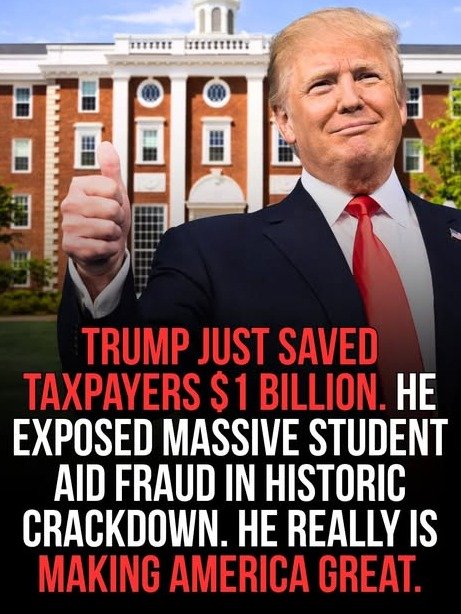
Imagine a billion dollars. Now imagine that staggering sum, intended to help students achieve their dreams and build brighter futures, vanishing into thin air—stolen by fraudsters. This isn’t a hypothetical scenario; it’s a stark reality that has left taxpayers reeling and demanding answers.
The recent revelations about widespread student aid fraud have struck a raw nerve across the nation. It’s not just about a large sum of money; it’s about a profound betrayal of trust, a direct hit to the wallets of hardworking Americans, and a system exploited at the expense of those who truly need help.
The Staggering Cost of Deception: A Billion-Dollar Betrayal
When we talk about a billion dollars in student aid fraud, it’s crucial to grasp the sheer magnitude of that number. This isn’t a small administrative error or a few isolated incidents. It represents a systematic siphoning of public funds, money that could have been used to reduce tuition costs, fund legitimate scholarships, or improve educational resources for countless students.
For many taxpayers, this figure transforms a familiar, simmering frustration into a concrete, undeniable outrage. They see their hard-earned money, diligently paid into the system, being diverted away from its intended purpose and into the pockets of criminals. This isn’t just an abstract loss; it’s a tangible blow to the collective trust in government programs.
Unmasking the Schemes: How Fraudsters Operate
Student aid fraud isn’t a single, monolithic act; it encompasses a sophisticated array of deceptive practices designed to exploit loopholes and lax oversight. These schemes are often cunning, evolving constantly to evade detection and maximize ill-gotten gains. Understanding their methods is the first step toward effective prevention.
One common tactic involves the creation of fictitious students or institutions. Fraudsters might invent entire rosters of non-existent students, enrolling them in fake courses at sham colleges, all to collect federal grants and loans. These phantom educational entities often exist only on paper or through shell websites, designed solely to process fraudulent financial aid applications.
Another prevalent method is identity theft. Criminals steal personal information—Social Security numbers, dates of birth—from unsuspecting individuals, often children or the elderly, and use it to apply for student aid in their names. The funds are then diverted, leaving the victims with a mountain of debt and a credit nightmare they never created.
Furthermore, some schemes involve individuals who are simply ineligible recipients, fabricating academic records or financial need to qualify for aid they don’t deserve. This can range from exaggerating poverty to claiming dependents who don’t exist, all to unlawfully tap into funds meant for those genuinely struggling to afford an education.
A Betrayal of Trust: Who Really Pays the Price?
The immediate and most obvious victims of student aid fraud are the taxpayers. Every dollar stolen is a dollar that came directly from their paychecks, their savings, and their hard work. This financial loss erodes confidence in public spending and fuels skepticism about the efficiency and integrity of government programs.
Beyond the financial hit, there’s a profound emotional cost. Taxpayers feel cheated, exploited, and disrespected. They witness vital resources being squandered, while legitimate needs in education, infrastructure, or healthcare go unmet. This fosters a sense of injustice that resonates deeply within communities.
Legitimate students also suffer significantly. When funds are diverted by fraudsters, it means less money available for genuine scholarships, grants, and affordable loans. This can lead to increased competition for aid, higher tuition costs, and a greater burden of student debt for those who are truly striving for an education.
Moreover, the integrity of the entire educational system is compromised. Fraud tarnishes the reputation of financial aid programs, making them appear unreliable or easily manipulated. This can lead to greater scrutiny, more complex application processes, and a general atmosphere of distrust that complicates the journey for every student seeking assistance.
“Student aid fraud isn’t a victimless crime. It steals from the future of our youth and undermines the very foundation of trust between citizens and their government.” – A concerned citizen.
Why This Hits So Close to Home: The “Familiar Frustration”
The outrage over student aid fraud isn’t just about the sheer dollar amount; it taps into a deeper well of existing frustration. For years, Americans have grappled with the escalating cost of higher education, the crushing burden of student loan debt, and the perception of wasteful government spending.
This particular scandal acts as a vivid, infuriating confirmation of those underlying anxieties. It validates the feeling that the system is rigged, that resources are mismanaged, and that the financial struggles of ordinary citizens are often ignored while others exploit the system for personal gain. It’s a tangible manifestation of the “familiar frustration” people feel about economic inequality and institutional inefficiency.
- Rising Education Costs: Many families are already struggling to afford college, making the theft of aid funds even more galling.
- Student Debt Crisis: The national student debt crisis highlights the desperate need for legitimate aid, making fraud feel like a cruel mockery.
- Government Waste: This fraud reinforces existing concerns about how taxpayer money is spent, fueling calls for greater accountability.
The Battle Against Fraud: Current Measures and Future Needs
Recognizing the severity of the problem, various government agencies are actively working to combat student aid fraud. The U.S. Department of Education (DOE) and its Office of Inspector General (OIG) are at the forefront, employing a combination of investigative techniques, data analytics, and policy adjustments to identify and prosecute fraudsters.
Current measures include enhanced verification processes for aid applications, cross-referencing data with other federal databases, and conducting audits of educational institutions. There are also dedicated hotlines and online portals for reporting suspicious activities, empowering the public to become part of the solution.
However, the fight is ongoing and requires continuous adaptation. Fraudsters are constantly innovating, necessitating a proactive and technologically advanced approach. Future needs include:
- Advanced Data Analytics and AI: Implementing sophisticated algorithms to detect patterns of fraud that human eyes might miss.
- Inter-Agency Collaboration: Strengthening partnerships between federal, state, and local law enforcement agencies to share information and coordinate efforts.
- Robust Identity Verification: Developing more secure methods for verifying applicant identities, potentially leveraging biometrics or advanced digital credentials.
- Faster Response Times: Streamlining the process for investigating and prosecuting fraud cases to act swiftly against emerging threats.
Empowering the Public: Your Role in Protecting Student Aid
While government agencies bear the primary responsibility for combating fraud, the public also plays a crucial role. Vigilance and a willingness to report suspicious activity can make a significant difference in protecting these vital funds. You are the eyes and ears on the ground, and your awareness can be a powerful deterrent.
If you encounter anything that seems fraudulent—whether it’s an unsolicited offer for “guaranteed” student aid, a suspicious “college” with no physical campus, or someone attempting to use another person’s identity for financial aid—it’s imperative to report it. There are official channels available, such as the Department of Education’s OIG hotline, designed specifically for these reports.
By staying informed, questioning unusual requests, and reporting potential fraud, you contribute directly to safeguarding the integrity of student aid programs. This collective effort ensures that the resources intended for deserving students actually reach them, rather than falling into the wrong hands.
Protecting Our Future, One Dollar at a Time
The billion-dollar student aid fraud exposé is more than just a headline; it’s a call to action. It forces us to confront the vulnerabilities within our systems and the profound impact of financial malfeasance. Protecting student aid isn’t just about saving money; it’s about preserving opportunities, fostering trust, and investing in the future of our nation.
Every dollar recovered from fraud is a dollar that can be redirected to support legitimate education, helping individuals achieve their full potential and contribute to society. It’s a reminder that accountability, transparency, and collective vigilance are paramount in ensuring that public funds serve the public good, without exception. Let’s stand together to protect what’s rightfully ours and secure a brighter, fairer future for all.
About the Author




