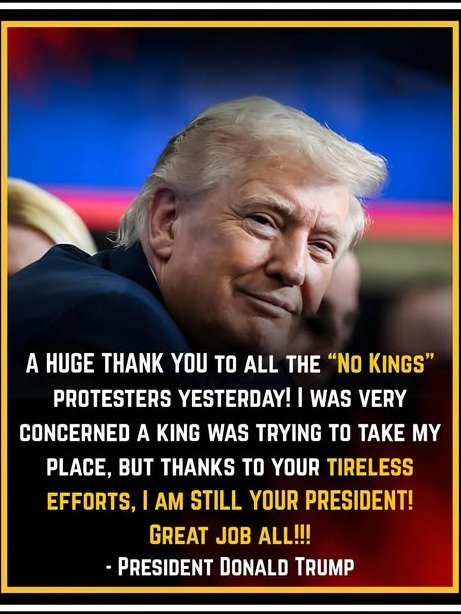
A seismic shift is underway, echoing through city streets and digital forums alike. Recent ‘No Kings’ protests have exploded onto the global stage, igniting furious debates and forcing a critical re-evaluation of power, authority, and governance. But what exactly is the message behind these compelling demonstrations, and why are they so deeply intertwined with the broader political tensions simmering beneath the surface of our societies?
These aren’t just isolated incidents; they represent a potent, often misunderstood, cry for fundamental change. From the very first chants, critics and supporters alike have grappled with the implications, questioning everything from their legitimacy to their ultimate goals. The stakes are incredibly high, and understanding this movement is crucial for anyone trying to make sense of our rapidly evolving world.
Unpacking the ‘No Kings’ Mantra: More Than Just a Slogan
At its core, the ‘No Kings’ slogan isn’t necessarily a literal call for the overthrow of existing monarchies, though in some contexts it certainly could be. Instead, it functions as a powerful metaphor. It represents a profound rejection of unchecked authority, inherited privilege, and any system where power is concentrated in the hands of a few, often at the expense of the many.
This sentiment resonates deeply in an era marked by growing economic inequality, perceived corruption, and a widespread feeling that traditional institutions are failing ordinary citizens. The phrase encapsulates a desire for greater accountability, transparency, and a more equitable distribution of influence within society. It’s a demand to dismantle invisible crowns and challenge modern-day empires, whether they are political, corporate, or systemic.
The Historical Echoes of Rebellion
While the ‘No Kings’ movement feels distinctly modern, its roots are deeply embedded in history. Throughout human civilization, societies have grappled with the concept of absolute power. From the Magna Carta challenging royal authority in medieval England to the American and French Revolutions that toppled monarchies and established republics, the struggle against concentrated power is a recurring theme.
These contemporary protests draw on that rich lineage, reimagining historical battles for self-determination in a 21st-century context. The internet and social media have amplified these voices, allowing movements to coalesce and spread with unprecedented speed, transcending geographical boundaries and uniting diverse groups under a shared banner of resistance against perceived oppression.
Broader Political Tensions Fueling the Fire
The rise of the ‘No Kings’ protests cannot be viewed in isolation; they are a direct symptom of escalating political tensions worldwide. We are living through a period of immense uncertainty, characterized by:
- Erosion of Trust: Public faith in governments, media, and established institutions is at an all-time low.
- Economic Disparity: The ever-widening gap between the rich and the poor fuels resentment and a sense of injustice.
- Authoritarian Creep: A global trend towards strongman leadership and the weakening of democratic norms.
- Social Justice Demands: Persistent issues of racial injustice, gender inequality, and environmental degradation continue to spark outrage and activism.
These underlying pressures create a fertile ground for movements like ‘No Kings’ to flourish. They offer an outlet for collective frustration and a platform for demanding systemic change, challenging the very foundations of how power is structured and wielded in our societies.
The Message Decoded: What Do Protesters Really Want?
So, beyond the powerful slogan, what concrete demands or aspirations do ‘No Kings’ protesters typically voice? While specific demands can vary by context, common themes emerge:
- Democratic Reform: Calls for more representative governance, electoral reform, and greater citizen participation.
- Economic Justice: Demands for wealth redistribution, higher wages, stronger social safety nets, and an end to corporate greed.
- Accountability: A push for political leaders and powerful institutions to be held responsible for their actions.
- Human Rights: Advocacy for fundamental freedoms, equality, and protection against state overreach.
It’s a multifaceted plea for a world where power is decentralized, where everyone has a voice, and where systems are designed to serve the many, not just the privileged few. The ‘No Kings’ mantra is a rallying cry for a more equitable and just society, free from the perceived tyranny of modern-day monarchs, whether they wear actual crowns or simply wield immense, unchecked influence.
The Criticisms: Are These Protests Misguided?
Of course, such a radical call for change inevitably attracts significant criticism. Many observers question the efficacy, the clarity, and even the underlying philosophy of the ‘No Kings’ movement. Some common critiques include:
“While the sentiment is understandable, these protests often lack clear, actionable policy proposals. What exactly do they want to replace the ‘kings’ with? Without a concrete alternative, it risks becoming a movement of pure opposition rather than constructive change.”
This highlights a key concern: the perceived lack of a coherent roadmap. Critics argue that simply shouting ‘No Kings’ without outlining a viable alternative system can lead to instability, chaos, or even inadvertently pave the way for new forms of authoritarianism. They suggest that dismantling existing structures without a clear vision for what comes next is a dangerous gamble.
Are the Tactics Effective?
Another point of contention revolves around tactics. Disruptive protests, civil disobedience, and confrontational messaging can alienate potential allies and provoke a backlash from authorities. Some argue that these methods, while attention-grabbing, can be counterproductive, hardening resistance to reform rather than fostering dialogue.
There’s also the debate about whether the protests are truly representative. Are they a voice for the marginalized, or are they dominated by specific ideological groups? These questions are crucial for understanding the broader impact and legitimacy of the movement in the public eye.
The Defenders: Why These Protests Are Essential
Despite the criticisms, supporters of the ‘No Kings’ movement argue that such radical action is not only justified but absolutely necessary. They contend that traditional political channels have failed to address systemic issues, leaving no option but direct action and public outcry.
For many, the protests are less about presenting a detailed policy document and more about shifting the Overton Window – expanding the range of ideas considered acceptable in public discourse. By challenging fundamental assumptions about power, they force uncomfortable but vital conversations that might otherwise never happen.
A Catalyst for Change
Proponents believe that the ‘No Kings’ movement acts as a vital catalyst, waking up dormant populations and pressuring complacent leaders. They argue that historical change rarely comes from polite requests; it often requires passionate, disruptive movements to force the hand of the powerful and bring about meaningful reform. The very act of protest, even without immediate, tangible wins, can build solidarity, raise awareness, and lay the groundwork for future political action.
The Road Ahead: What’s Next for the ‘No Kings’ Movement?
The future of the ‘No Kings’ protests remains uncertain, but their impact is undeniable. They have irrevocably altered public discourse around power, privilege, and democracy. Whether they evolve into organized political parties, inspire new forms of governance, or simply continue as a persistent thorn in the side of the establishment, their message will likely continue to resonate.
As these movements gain traction, the challenge for both protesters and the societies they seek to change will be immense. Can a clear, constructive vision emerge from the powerful rejection of the status quo? Can dialogues be opened between seemingly opposing factions? The answers to these questions will shape not just the trajectory of the ‘No Kings’ movement, but the very fabric of our collective future.
Conclusion: A Call to Re-evaluate Power Itself
The ‘No Kings’ protests are more than just a fleeting trend; they are a profound symptom of a world grappling with deep-seated inequalities and a crisis of trust. They force us to confront uncomfortable truths about who holds power, how it’s exercised, and whether our current systems truly serve the interests of all. Ignoring these voices, or dismissing them as mere unrest, would be a grave mistake.
Instead, we must engage with the complex debates they spark, understand the historical echoes they invoke, and seriously consider the implications for our democratic futures. The call to abolish ‘kings’ – both literal and metaphorical – is a powerful reminder that the struggle for a more just and equitable world is far from over, and its outcome will depend on how we collectively choose to respond to this urgent demand for change.
About the Author




