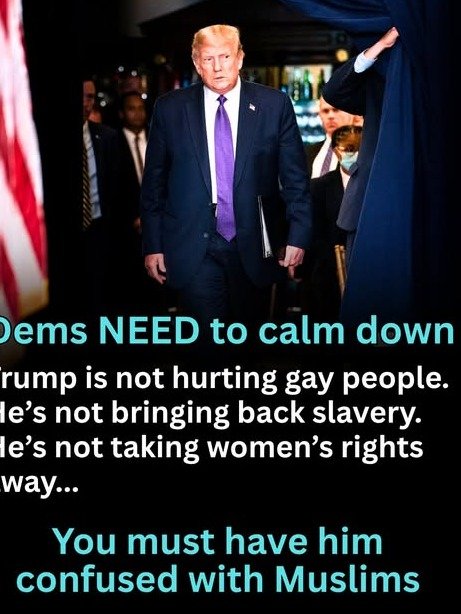
Imagine living in a perpetual state of emergency. Every news cycle screams existential threats, every policy debate is framed as the ultimate battle for civilization, and every political figure is either a savior or a destroyer. Sound familiar? You’re not alone if you feel an overwhelming sense of exhaustion from this relentless barrage of ‘panic politics.’
For many Americans, the constant drumbeat of doom and gloom has become an unbearable weight. We’re witnessing a collective fatigue, a widespread weariness born from the ceaseless portrayal of every political skirmish as an apocalyptic showdown. It’s a phenomenon that transcends political affiliations, leaving a vast swathe of the population feeling drained and disengaged.
The Relentless Cycle of Alarmism
The term ‘panic politics’ perfectly encapsulates this current climate. It describes a political discourse where every single issue, no matter how minor, is inflated into a crisis of epic proportions. Policy disagreements transform into existential threats, and opposing viewpoints are demonized as forces actively working to dismantle the nation.
This isn’t a new strategy in politics, but its intensity and pervasiveness in recent years have reached unprecedented levels. The stakes are always presented as impossibly high, leaving no room for compromise, nuance, or even basic civility. It’s a zero-sum game played out in the public square, day in and day out.
When it comes to figures like Donald Trump, this rhetoric often reaches its zenith. Supporters often frame his actions as the last stand against a corrupt establishment, while detractors frequently depict him as an existential threat to democracy itself. This creates a feedback loop of hyper-charged emotion, making reasoned debate nearly impossible.
The Hidden Toll of Constant Crisis
What happens when a society is constantly told it’s on the brink? The human mind isn’t wired to sustain a state of perpetual alarm. Initially, such warnings might galvanize action, but over time, they lead to a profound sense of exhaustion and desensitization. This is the ‘doom fatigue’ that so many are experiencing.
Chronic exposure to this high-stress political environment takes a significant toll on mental health. Anxiety levels rise, feelings of helplessness proliferate, and a deep cynicism begins to set in. People start to tune out, not because they don’t care, but because they simply cannot process another ‘end-of-the-world’ scenario.
“When everything is an emergency, nothing is,” a common sentiment reflects the public’s growing frustration with the over-the-top rhetoric. This desensitization means that when genuine crises emerge, they might not receive the urgent attention they truly deserve.
The constant framing of every political fight as a ‘historic threat’ also distorts our perception of reality. It blurs the lines between legitimate concerns and manufactured outrage, making it incredibly difficult for citizens to discern what truly warrants their attention and action.
Who Benefits From the Panic?
It’s crucial to ask: who gains from this atmosphere of perpetual panic? Political actors, media outlets, and even social media algorithms often play a role in perpetuating this cycle, sometimes inadvertently, sometimes with clear strategic intent.
For politicians, framing issues as dire threats can be an effective way to mobilize their base and demonize opponents. It simplifies complex problems into clear-cut battles of good versus evil, making it easier to rally support and stifle dissent. Nuance rarely wins in a panic-driven environment.
Media organizations, driven by viewership and clicks, often find themselves caught in a similar trap. Sensational headlines and urgent reporting tend to attract more attention. The 24/7 news cycle demands constant updates, and in the absence of truly groundbreaking news, the temptation to amplify existing tensions can be overwhelming.
Social media platforms, with their algorithmic amplification of emotionally charged content, further exacerbate the problem. Outrage and fear spread like wildfire, creating echo chambers where alarmist rhetoric is constantly reinforced, making it seem even more prevalent than it might be in reality.
The Erosion of Meaningful Discourse
One of the most damaging consequences of panic politics is the complete erosion of meaningful political discourse. When every issue is a ‘battle for the soul of the nation,’ there’s no room for compromise, negotiation, or even respectful disagreement.
Instead, we see an acceleration of polarization. People retreat further into their ideological corners, viewing those with differing opinions not just as wrong, but as dangerous. This makes it incredibly difficult to address the real challenges facing the country, which often require bipartisan solutions and pragmatic approaches.
The focus shifts from solving problems to winning arguments, from policy substance to performative outrage. This environment starves the public of genuine information and critical analysis, replacing it with emotionally manipulative narratives designed to provoke rather than inform.
Beyond a Single Figure: A Systemic Issue
While discussions around ‘panic politics’ often center on specific figures like Donald Trump, it’s vital to recognize that this phenomenon is larger than any individual. Trump is arguably a symptom and an accelerant of this trend, rather than its sole cause. The appetite for hyper-dramatized politics existed before him and will likely persist after him.
This style of rhetoric thrives in an environment where trust in institutions is low, where economic anxieties are high, and where traditional media gatekeepers have lost much of their influence. It’s a systemic issue, deeply embedded in our current political and media landscape.
Understanding this broader context is crucial. Blaming one person, or even one party, for the entire problem risks oversimplifying a complex challenge and prevents us from addressing the underlying structural issues that enable ‘panic politics’ to flourish.
Reclaiming Sanity: A Path Forward
So, what can be done to combat this pervasive sense of political exhaustion and the destructive cycle of panic? The responsibility falls on both individuals and institutions to foster a more measured and constructive approach to public discourse.
For individuals, this means:
- Cultivating Media Literacy: Critically evaluating news sources, recognizing sensationalism, and seeking out diverse perspectives beyond your usual echo chambers.
- Practicing Selective Engagement: It’s okay to disengage from the constant noise when necessary. Protecting your mental health is paramount.
- Focusing on Local Action: Sometimes, engaging with local issues can feel more impactful and less overwhelming than the national political spectacle.
- Demanding Nuance: Supporting journalists and politicians who offer balanced perspectives and resist the urge to catastrophize every event.
For institutions, the challenge involves:
- Responsible Journalism: Prioritizing factual reporting over clickbait, providing context, and resisting the urge to amplify every controversy to the highest possible pitch.
- Ethical Political Leadership: Leaders who choose to appeal to our better angels, focus on solutions, and model respectful disagreement rather than constant antagonism.
- Platform Accountability: Social media companies exploring ways to de-amplify divisive, fear-mongering content while preserving free speech.
Breaking free from the grip of ‘panic politics’ won’t be easy, but it’s essential for the health of our democracy and our collective well-being. It requires a conscious effort to resist the urge to constantly live on the edge of our seats, to differentiate between genuine threats and manufactured drama, and to demand a more thoughtful, less exhausting conversation about our shared future.
The widespread weariness isn’t just a sign of fatigue; it’s a silent protest. It’s America saying it’s tired of the constant end-of-the-world scenarios, tired of the emotional manipulation, and ready for a more grounded, productive way to engage with the challenges we face. It’s time to turn down the volume on the panic and start building a more resilient, less anxious political future.
About the Author




