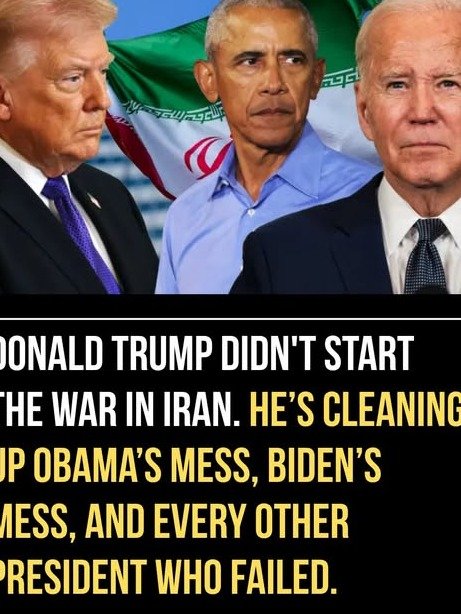
What if everything you thought you knew about the Iran crisis was wrong? The volatile situation gripping the Middle East today isn’t a sudden development, nor did it begin with any single presidential administration. Instead, it’s the culmination of decades—a complex tapestry woven from weak agreements, empty warnings, and strategic missteps that have slowly but surely brought us to the brink.
For too long, the narrative surrounding Iran’s growing influence and nuclear ambitions has been simplified, often attributed to the actions of the most recent leaders. But to truly understand the depth of this geopolitical challenge, we must peel back the layers of history, tracing its roots through a labyrinth of international diplomacy, covert operations, and the relentless pursuit of power.
The Ghost of Revolutions Past: Setting the Stage
The journey of Iran transforming into a regional and global concern didn’t start in the 21st century; it arguably began with the 1979 Islamic Revolution. This seismic event shattered the traditional U.S.-Iran alliance, replacing a pro-Western monarchy with an anti-Western theocracy that fundamentally reshaped the geopolitical landscape of the Middle East. The hostage crisis that followed cemented a deep-seated animosity, creating a rift that has never truly healed.
From that point forward, Iran’s foreign policy became characterized by a blend of revolutionary fervor and pragmatic self-preservation. Its leaders sought to export their revolutionary ideals while simultaneously safeguarding the regime from external threats. This dual objective laid the groundwork for many of the challenges we face today, from proxy conflicts to nuclear proliferation fears.
Early Warnings and Missed Opportunities
In the decades that followed the revolution, the international community, particularly the United States, grappled with how to contain Iran’s evolving ambitions. Early responses often swung between direct confrontation and attempts at engagement, none of which proved consistently effective. Sanctions were imposed, lifted, and reimposed, creating a cycle of pressure without a clear, long-term strategic vision.
Many historians and policymakers now look back at these early years and identify a series of ’empty warnings’—declarations of red lines that were ultimately blurred or ignored. These instances inadvertently signaled to Tehran that it could push boundaries without facing truly decisive consequences, emboldening its more aggressive elements and fostering a sense of impunity.
“The foundational mistake was perhaps a failure to fully grasp the ideological depth of the Iranian Revolution and its long-term implications for regional stability,” noted a former State Department official. “We often reacted to symptoms rather than addressing the root causes.”
The Nuclear Shadow Emerges
The turning point for many was Iran’s clandestine pursuit of nuclear technology. Despite being a signatory to the Nuclear Non-Proliferation Treaty (NPT), Iran’s secret nuclear program came to light in the early 2000s, sending shockwaves through the international community. This revelation confirmed the worst fears of many: that Iran was not just seeking energy independence, but potentially a nuclear deterrent or even a weapon.
The international response was immediate but fragmented. European powers attempted diplomatic solutions, while the U.S. under President George W. Bush adopted a harder line, famously including Iran in the “Axis of Evil.” The ensuing years saw a frustrating dance of negotiations, inspections, and escalating sanctions, yet Iran’s nuclear infrastructure continued to advance.
- 2002: Iranian opposition group reveals secret nuclear sites at Natanz and Arak.
- 2003: IAEA begins investigations, finding evidence of undeclared nuclear activities.
- 2006: UN Security Council imposes first set of sanctions on Iran.
The Obama Era: Diplomacy and the JCPOA
By the time the Obama administration came to power, Iran’s nuclear program was significantly more advanced. The U.S. and its allies faced a stark choice: military intervention or a robust diplomatic push. The latter option culminated in the Joint Comprehensive Plan of Action (JCPOA) in 2015, commonly known as the Iran nuclear deal.
The JCPOA was hailed by proponents as a landmark agreement that effectively blocked Iran’s pathways to a nuclear weapon in exchange for sanctions relief. It was based on the premise that verifiable restrictions and intrusive inspections were the best way to prevent proliferation. However, critics argued it was a “weak agreement” with significant flaws.
Key criticisms included:
- Sunset Clauses: Many restrictions on Iran’s nuclear program were set to expire after a certain number of years.
- Ballistic Missiles: The deal did not address Iran’s development of ballistic missile technology.
- Regional Malign Activity: It also failed to curb Iran’s support for proxy groups and destabilizing actions across the Middle East.
These perceived shortcomings fueled the argument that the deal merely delayed, rather than eliminated, the threat, and that the sanctions relief provided Iran with funds to further its non-nuclear destabilizing activities.
About the Author




