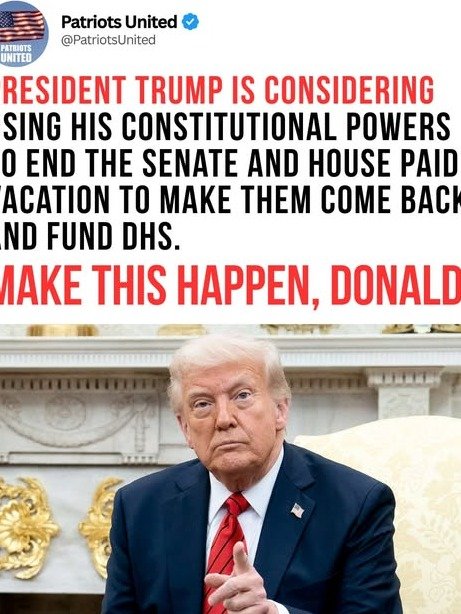
Imagine a scenario where the very institutions designed to protect our nation are operating on borrowed time, their critical functions jeopardized by political squabbling. This isn’t a dystopian novel; it’s the stark reality facing the Department of Homeland Security (DHS) right now. With vital funding still trapped in a suffocating political gridlock, the call to drag Congress back to Washington and compel them to fulfill their fundamental duties is growing louder and more urgent than ever before.
The clock is ticking, and the stakes couldn’t be higher. From safeguarding our borders to fending off cyberattacks, from responding to natural disasters to protecting our nation’s leaders, the DHS is the invisible shield that keeps America safe. Yet, a failure to secure its funding isn’t just about abstract budget numbers; it’s about compromising our national security and leaving every American vulnerable.
The Silent Erosion of Our Defenses: What DHS Gridlock Really Means
The Department of Homeland Security isn’t just one agency; it’s a sprawling network of critical components, each playing a vital role in protecting the United States. When its funding is held hostage by political disputes, the ripple effects are catastrophic, impacting everything from border patrol agents on the front lines to the cybersecurity experts defending our digital infrastructure.
We’re talking about more than just a temporary inconvenience. This gridlock threatens to undermine the morale of dedicated federal employees, delay crucial security upgrades, and create dangerous vulnerabilities that our adversaries are all too eager to exploit. It’s a self-inflicted wound that America simply cannot afford.
Understanding the Department of Homeland Security: Our First Line of Defense
Before diving deeper into the crisis, it’s essential to grasp the sheer scope of the DHS’s responsibilities. Established in the wake of the 9/11 attacks, its mission is broad and encompasses a multitude of critical functions designed to protect the homeland.
- Border Security: Agencies like Customs and Border Protection (CBP) and Immigration and Customs Enforcement (ICE) are on the front lines, securing our land, air, and sea borders against illegal entry, drug trafficking, and human smuggling.
- Cybersecurity: The Cybersecurity and Infrastructure Security Agency (CISA) works tirelessly to protect our nation’s critical infrastructure – from power grids to financial systems – from sophisticated cyber threats.
- Disaster Response: The Federal Emergency Management Agency (FEMA) is our nation’s primary responder to natural disasters, coordinating relief efforts and helping communities rebuild after hurricanes, floods, and wildfires.
- Transportation Security: The Transportation Security Administration (TSA) safeguards our airports and transportation networks, ensuring the safety of millions of travelers daily.
- Protection of Leaders: The Secret Service is responsible for protecting the President, Vice President, and other high-ranking officials, as well as investigating financial crimes.
- Intelligence & Analysis: Various components gather and analyze intelligence to preempt threats and inform security strategies.
Each of these functions is interconnected and vital. A weakness in one area can create vulnerabilities across the entire security apparatus.
The Anatomy of Gridlock: Why Is Congress Failing Us?
The current impasse over DHS funding is a microcosm of broader political dysfunction. While the details often involve complex budget allocations and policy riders, the core issue typically revolves around partisan disagreements, particularly concerning immigration and border policy.
Lawmakers on opposing sides use the budget process as leverage to push their respective agendas, often leading to stalemates that jeopardize essential government operations. This isn’t just about differing opinions; it’s about a failure to find common ground when national security is on the line.
“The constant brinkmanship over essential funding isn’t just irresponsible; it’s a direct threat to the safety and stability of our nation. Our brave men and women at DHS deserve better, and so do the American people.” – A frustrated former national security official.
The cycle of continuing resolutions, where funding is temporarily extended without a long-term solution, creates an environment of uncertainty. Agencies cannot plan effectively, projects are delayed, and the ability to recruit and retain top talent is severely hampered.
The Dire Consequences: What Happens When DHS is Undermined?
When DHS funding is in limbo, the impact isn’t theoretical; it’s tangible and potentially devastating. Let’s break down some of the immediate and long-term consequences:
Compromised Border Security
Without stable funding, operations along our borders can be severely curtailed. This means fewer agents, less advanced surveillance technology, and delays in processing individuals and goods. The result? Increased vulnerability to illegal crossings, drug trafficking, and even potential terrorist infiltration. Our border agents, already working in challenging conditions, face immense pressure without the resources they need.
Increased Cyber Vulnerabilities
In an age where cyberattacks are a constant threat, CISA’s work is paramount. A lack of funding can delay critical upgrades to cybersecurity infrastructure, hinder recruitment of skilled analysts, and slow down threat intelligence sharing. This leaves our power grids, water systems, financial institutions, and government networks exposed to state-sponsored hackers and criminal enterprises, potentially leading to widespread disruption and economic chaos.
Weakened Disaster Response Capabilities
FEMA relies on consistent funding to pre-position resources, train personnel, and maintain its operational readiness. A funding crisis could mean slower response times during hurricanes, wildfires, or other natural catastrophes. Lives could be at stake, and the recovery process for affected communities could be significantly prolonged and more arduous.
Disrupted Travel and Trade
The TSA ensures the safety of millions of air travelers every day. Funding shortfalls could lead to staffing reductions, longer security lines, and reduced screening capabilities at airports, creating both inconvenience and potential security gaps. Similarly, disruptions at ports of entry could impact trade and supply chains, leading to economic repercussions.
Morale Crisis Among Dedicated Personnel
Imagine going to work every day knowing your paychecks might be delayed, or that your agency’s vital mission is being undermined by political infighting. This uncertainty takes a severe toll on the morale of the nearly 260,000 dedicated men and women who serve within DHS. High turnover rates, difficulty attracting new talent, and a decline in job satisfaction are all direct consequences, further weakening our security posture.
The Growing Push: Demanding Accountability from Congress
The frustration with congressional inaction is palpable across the nation. From security experts and former government officials to advocacy groups and concerned citizens, the chorus demanding that lawmakers put aside partisan differences and do their jobs is growing louder.
There’s a strong push for Congress to return to Washington, if necessary, and immediately pass a clean funding bill for DHS – one that isn’t laden with contentious policy riders that hold the entire agency hostage. The argument is simple: national security should transcend political maneuvering.
Many are advocating for a return to regular order in the budget process, where appropriations bills are debated and passed individually, rather than being bundled into massive, often unpassable, legislative packages. This would force accountability and allow for focused discussion on each agency’s needs.
Historical Precedents and Lessons Unlearned
This isn’t the first time vital government functions have been threatened by political gridlock. We’ve seen government shutdowns or near-misses before, often with significant negative impacts on federal employees and public services. Each time, the message is clear: using essential government funding as a bargaining chip is a dangerous game.
The lessons from past crises emphasize the importance of compromise, foresight, and a commitment to governance. Yet, despite these painful experiences, the cycle of last-minute deals and brinkmanship continues, leaving agencies like DHS in a constant state of uncertainty.
What Can We Do? Your Role in Demanding Action
While the responsibility lies squarely with our elected officials, citizens are not powerless. Staying informed about the ongoing situation and understanding the critical role of DHS is the first step. Beyond that, actively engaging with your representatives can make a difference.
- Contact Your Representatives: Reach out to your Senators and House Representative. Let them know that you expect them to prioritize national security and pass a clean, long-term funding bill for DHS without further delay.
- Stay Informed: Follow reputable news sources to understand the nuances of the debate and the potential impacts of continued inaction.
- Support Advocacy Groups: Organizations dedicated to good governance and national security often work to pressure lawmakers into constructive action.
The security of our nation is not a partisan issue; it’s a shared responsibility. When Congress fails to act, it puts every American at risk. It’s time to demand that our elected officials set aside their differences, return to the negotiating table with a genuine commitment to compromise, and provide the Department of Homeland Security with the stable, predictable funding it desperately needs to protect us all.
The Urgency of Now: Protecting Our Future
The current situation with DHS funding isn’t just a political squabble; it’s a direct threat to the safety and stability of the United States. Our national security apparatus cannot function effectively under constant threat of budget cuts or shutdowns. The brave men and women who dedicate their lives to protecting our homeland deserve the resources and stability required to do their jobs without political interference.
The push to compel Congress to act is more than justified; it is essential. It’s a call for accountability, for prioritizing the well-being of the nation over partisan agendas. The time for political games is over. It’s time for Congress to do the job they were elected to do, and secure the future of our homeland.
About the Author




