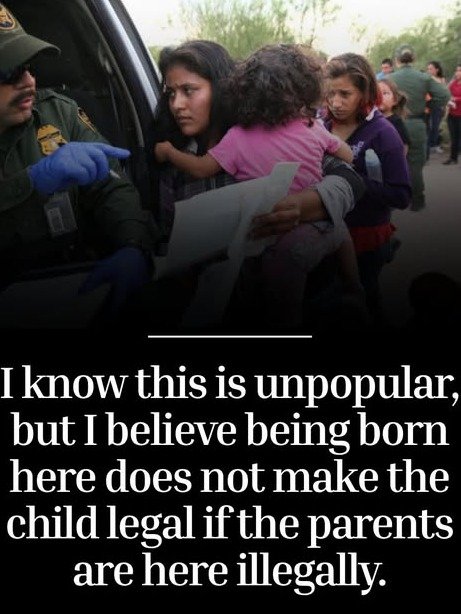
Imagine a world where your very birth in a country doesn’t automatically grant you citizenship. Sounds unthinkable in America, right? Yet, this fundamental principle, deeply rooted in the 14th Amendment, is now at the epicenter of a ferocious national debate, threatening to redefine what it means to be American for generations to come. This isn’t just a legal squabble; it’s a battle over identity, history, and the future of our nation.
For decades, the concept of birthright citizenship – the idea that anyone born on U.S. soil is automatically a citizen – has been a cornerstone of American identity. However, as immigration policy continues to dominate national discourse, this long-held interpretation of the 14th Amendment is facing unprecedented scrutiny. Understanding the nuances of this debate is crucial, because its outcome could impact millions and fundamentally alter the fabric of society.
The Cornerstone of American Citizenship: A Brief History
At its heart, the debate revolves around a single, powerful sentence in the first sentence of the 14th Amendment to the U.S. Constitution, ratified in 1868: “All persons born or naturalized in the United States and subject to the jurisdiction thereof, are citizens of the United States and of the State wherein they reside.” This amendment was primarily enacted in the aftermath of the Civil War to grant citizenship to formerly enslaved people, ensuring they could not be denied basic rights and protections.
For over a century, this clause has been widely understood to mean that virtually anyone born within U.S. borders is a citizen, regardless of their parents’ immigration status. This principle, known as jus soli (right of the soil), contrasts with jus sanguinis (right of blood), where citizenship is inherited from parents. The U.S. is one of only a handful of developed nations that still fully adheres to jus soli without significant restrictions.
The landmark Supreme Court case of United States v. Wong Kim Ark in 1898 solidified this interpretation. Wong Kim Ark was born in the U.S. to Chinese immigrant parents who were not citizens and could not become naturalized citizens under existing laws. The Supreme Court ruled overwhelmingly that he was indeed a U.S. citizen by virtue of his birth on American soil, thus affirming the broad application of birthright citizenship.
The Heart of the Controversy: “Subject to the Jurisdiction Thereof”
The core of the modern debate hinges on the precise meaning of the phrase “subject to the jurisdiction thereof.” Proponents of the current interpretation argue that this phrase simply excludes children born to foreign diplomats or invading armies, as these individuals are not subject to the full legal authority of the U.S. government. They assert that children of undocumented immigrants, however, are indeed subject to U.S. laws and therefore qualify for birthright citizenship.
Conversely, those advocating for a change argue that “subject to the jurisdiction thereof” implies a more complete allegiance or political connection to the United States. They contend that undocumented immigrants, by virtue of their unlawful presence, are not fully subject to U.S. jurisdiction in the same way citizens or legal residents are. Therefore, their children should not automatically be granted citizenship.
“The 14th Amendment’s citizenship clause was never intended to grant automatic citizenship to the children of those who have broken our laws to enter the country,” argues one prominent legal scholar. “This interpretation creates an incentive for illegal immigration and undermines our national sovereignty.”
Arguments Against the Current Interpretation
Critics of birthright citizenship, particularly for children of undocumented immigrants, raise several key concerns. One primary argument is the perceived “anchor baby” phenomenon, where they believe individuals intentionally cross the border illegally to have children who will then be U.S. citizens, thereby providing a pathway for their families to remain in the country and access public benefits.
They also highlight the strain on public resources. Local and state governments often bear the costs associated with providing education, healthcare, and other social services to these U.S.-born children and their families, leading to calls for reform. Furthermore, some argue that the current policy undermines the rule of law by rewarding illegal entry and encouraging further undocumented immigration.
- Incentive for Illegal Immigration: Critics argue it acts as a magnet for those seeking to gain a foothold in the U.S.
- Sovereignty Concerns: The idea that a nation cannot control who its citizens are.
- Economic Burden: Costs associated with social services for non-citizen parents and their citizen children.
- Misinterpretation of the 14th Amendment: A belief that the “jurisdiction” clause has been too broadly applied.
Defending Birthright Citizenship: The Case for the Status Quo
On the other side of the debate, defenders of birthright citizenship emphasize its historical context and practical benefits. They argue that the 14th Amendment’s original intent was to create a clear, unambiguous standard for citizenship, preventing the creation of a permanent underclass or stateless population within the country. This was particularly vital after the Civil War to ensure formerly enslaved people were fully recognized as citizens.
From a practical standpoint, altering birthright citizenship would introduce immense administrative complexity. Imagine the bureaucratic nightmare of determining the citizenship status of every child born on U.S. soil based on their parents’ shifting immigration status. This could lead to a large population of stateless individuals, creating significant social and legal challenges.
Moreover, proponents argue that birthright citizenship promotes social stability and integration. Children born and raised in the U.S., regardless of their parents’ status, grow up steeped in American culture, attending American schools, and speaking English. Granting them full citizenship allows them to become productive members of society, contribute to the economy, and fully participate in civic life, rather than existing in a legal limbo.
“To deny citizenship to children born on our soil would be to create a permanent caste system, a population of individuals living within our borders but without the full rights and responsibilities of citizenship,” states a civil rights advocate. “This would go against the very ideals of equality and opportunity that America stands for.”
Global Perspectives: How Other Nations Handle Citizenship
It’s important to note that the U.S. is not alone in its approach, but it is somewhat unique among developed nations. Many countries, particularly in Europe and Asia, primarily follow jus sanguinis, granting citizenship based on parentage. However, a significant number of nations in the Americas, including Canada, Mexico, Brazil, and Argentina, also practice birthright citizenship without significant restrictions.
Some countries have modified their jus soli policies over time. For instance, the United Kingdom, Ireland, and Australia have moved to a modified jus soli system, requiring at least one parent to be a citizen or legal resident for a child born on their soil to automatically gain citizenship. This global comparison often fuels the debate, with critics pointing to these examples as viable alternatives for the U.S.
The Path Forward: Legal and Political Implications
The path to changing birthright citizenship is fraught with legal and political hurdles. A direct challenge to the Supreme Court’s ruling in Wong Kim Ark would be monumental, requiring a case that directly addresses the “jurisdiction” clause in a new light. Alternatively, some proponents of change suggest a constitutional amendment, a process that is notoriously difficult, requiring a two-thirds vote in both houses of Congress and ratification by three-fourths of the states.
Executive action has also been proposed, with some arguing that a president could issue an order reinterpreting the 14th Amendment. However, such an action would almost certainly face immediate legal challenges and would likely be deemed unconstitutional by the courts, as interpreting the Constitution is ultimately the purview of the judiciary.
The debate is highly politicized, often becoming a flashpoint in broader discussions about immigration reform. Different political factions hold deeply entrenched views, making a bipartisan consensus on the matter incredibly challenging. The rhetoric surrounding this issue can be intense, reflecting fundamental disagreements about national identity, legal principles, and humanitarian concerns.
Why This Debate Matters to Every American
Even if you believe birthright citizenship doesn’t directly affect you, the outcome of this debate will have profound implications for the entire nation. It touches upon:
- The definition of American citizenship: What does it truly mean to be an American?
- The future of immigration policy: How will we manage borders and integrate newcomers?
- Constitutional interpretation: How will we interpret our foundational legal document going forward?
- Social cohesion: Will we create a more unified society or a divided one with different classes of residents?
The birthright citizenship debate is far more than a technical legal argument; it’s a reflection of our nation’s ongoing struggle with immigration, identity, and the very principles upon which it was founded. As the conversation intensifies, staying informed and understanding the various perspectives is essential for every citizen.
Conclusion: A Defining Moment for America
The renewed focus on birthright citizenship and the 14th Amendment signals a defining moment for America. The complexities involved, from historical intent to modern-day implications, demand a thoughtful and informed discussion. Whether the current interpretation stands, is modified, or fundamentally altered, the decision will reverberate through society, shaping not only the lives of individuals but the very character of the United States for decades to come.
This is a debate that transcends politics; it delves into the core of who we are as a nation and what values we truly uphold. Ignoring it means missing out on a critical conversation that could reshape America forever. Your understanding and engagement in this vital discussion are more important now than ever.
About the Author




