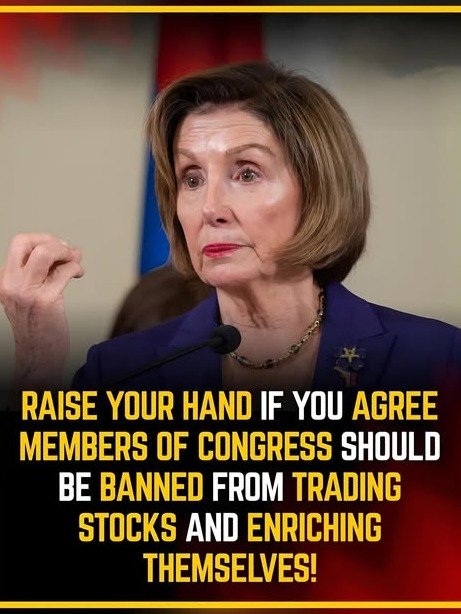
Imagine having access to classified information about upcoming legislation, market-moving policies, or even global events before anyone else. Now imagine using that exclusive knowledge to make profitable stock trades. Sound like a plot from a Hollywood thriller? For many Americans, it’s a terrifying reality they suspect their elected officials are living.
A simmering controversy about congressional stock trading has reached a boiling point, raising serious questions about ethics, fairness, and the very integrity of our democracy. Critics are sounding the alarm, arguing that lawmakers should be held to far stricter standards when it comes to their personal financial dealings, especially when those dealings involve the same markets they regulate.
The Unsettling Reality of Congressional Finances
The debate over members of Congress buying and selling individual stocks isn’t new, but it has gained significant traction in recent years, fueled by high-profile reports of lawmakers outperforming the market and sometimes making suspiciously timed trades. This isn’t just about optics; it strikes at the heart of public trust in government.
When a representative votes on a bill that could directly impact a company whose stock they own, or sells shares just before a negative public announcement, it creates an undeniable cloud of suspicion. The public is left wondering if their elected officials are truly working for the national interest, or for their own financial gain.
Why This Debate Matters: Conflicts of Interest and Public Trust
At its core, the concern revolves around potential conflicts of interest and the perception of insider trading. Members of Congress are privy to a vast amount of non-public information—from details about defense contracts and healthcare reforms to insights into economic policy and international relations. This information, if exploited, could provide an unfair advantage in the stock market.
The appearance of impropriety alone can severely erode public confidence. If citizens believe their representatives are enriching themselves rather than serving the public good, it undermines faith in democratic institutions and can lead to widespread cynicism about politics.
“The public’s trust in government is paramount. When lawmakers engage in trading that appears to benefit from their unique position, that trust is inevitably compromised.” – A leading ethics watchdog.
Current Rules: The STOCK Act and Its Limitations
In response to earlier controversies, Congress passed the Stop Trading on Congressional Knowledge (STOCK) Act in 2012. This law aimed to combat insider trading by members of Congress and their staff by explicitly stating that they are not exempt from insider trading laws and by increasing transparency requirements.
The STOCK Act requires members of Congress to publicly disclose their stock trades within 45 days of the transaction. While this was a step forward, many critics argue that it hasn’t gone far enough. The disclosure period is often seen as too long, allowing significant time for profits to be realized before the public is even aware of the trade.
Furthermore, the Act primarily focuses on disclosure rather than prevention. It doesn’t prohibit members from trading individual stocks; it merely requires them to report it. This leaves a gaping loophole for potential abuses, as the damage to public trust can be done even if no illegal activity is definitively proven.
The Argument for a Ban: Leveling the Playing Field
Proponents of a complete ban on individual stock trading by members of Congress argue that it’s the only way to truly eliminate conflicts of interest and restore public trust. They emphasize several key points:
- Eliminates the Appearance of Impropriety: A ban would remove any doubt about whether a lawmaker’s financial decisions are influenced by privileged information.
- Strengthens Public Trust: It would send a clear message that public service is about service, not personal enrichment.
- Prevents Actual Insider Trading: Even with the STOCK Act, proving insider trading is notoriously difficult. A ban sidesteps this challenge entirely.
- Focus on Public Service: Lawmakers could fully dedicate their attention to policy and constituents without the distraction or temptation of market speculation.
Many believe that the privilege of serving in Congress comes with a responsibility to avoid even the slightest hint of financial impropriety. A ban would align congressional ethics more closely with those applied to other high-level government officials, such as Federal Reserve governors, who face stricter trading restrictions.
The Counter-Arguments: Personal Freedom and Practicality
Not everyone agrees that a full ban is necessary or even fair. Opponents of stricter regulations or an outright ban often raise several counter-arguments:
- Personal Freedom: They argue that elected officials shouldn’t be stripped of their basic right to manage their personal finances, especially if they are transparent about their dealings.
- Attracting Talent: Some suggest that overly restrictive financial rules could deter talented individuals from seeking public office, as it might be seen as too burdensome.
- Diversified Investments: Many argue that lawmakers should be allowed to invest in a diversified portfolio, including stocks, as part of responsible financial planning.
- Existing Regulations: Proponents of the current system point to the STOCK Act and other ethics rules as sufficient, arguing that the focus should be on enforcement rather than further restrictions.
These arguments often emphasize the importance of individual liberty and the idea that transparency, rather than outright prohibition, is the best approach to accountability. However, critics often retort that the unique power and access held by lawmakers necessitate unique ethical standards.
Proposed Solutions: Beyond the STOCK Act
The debate isn’t just about whether to ban or not; it’s also about finding practical solutions. Several alternatives and enhancements to the current system have been proposed:
- Blind Trusts: A common proposal involves requiring members of Congress to place their assets into a qualified blind trust. In a blind trust, the lawmaker has no knowledge or control over the investment decisions, which are managed by an independent third party. This severs the link between their legislative actions and their personal portfolio.
- Expanded Disclosure: Some suggest shortening the disclosure window from 45 days to just a few days, or even requiring pre-approval for trades.
- Focus on Index Funds: Another idea is to allow lawmakers to invest only in broad-based index funds or mutual funds, which are passively managed and less susceptible to individual stock manipulation.
- Stricter Penalties: Enhancing the penalties for violations of the STOCK Act, including significant fines or even removal from committees, could act as a stronger deterrent.
Each of these solutions aims to strike a balance between individual financial freedom and the need to uphold public trust and prevent conflicts of interest. The blind trust option, in particular, has garnered significant bipartisan support as a viable middle ground.
Public Opinion and the Push for Reform
Public opinion polls consistently show strong support for stricter rules on congressional stock trading. A vast majority of Americans, often across party lines, believe that members of Congress should not be allowed to trade individual stocks. This widespread sentiment puts significant pressure on lawmakers to address the issue.
Several bipartisan bills have been introduced in recent years, aiming to ban members of Congress and their spouses from trading individual stocks. While these efforts have gained momentum, they have yet to pass both chambers and become law, highlighting the internal resistance within Congress to enact such sweeping changes to their own financial practices.
The Broader Ethical Landscape for Public Servants
This debate extends beyond just stock trading; it touches upon the broader ethical obligations of public servants. Holding public office is a unique position of trust and power, and with that comes a heightened responsibility to avoid situations that could even appear to compromise one’s integrity.
Ultimately, the goal is to ensure that legislative decisions are made solely on the merits of public policy, free from any hint of personal financial gain. This is crucial for maintaining a healthy democracy where citizens can trust that their government is truly working in their best interests.
What’s Next for Congressional Stock Trading?
The debate over congressional stock trading is far from over. As public scrutiny intensifies and more data emerges about lawmaker trading patterns, the pressure for reform will only grow. Whether Congress will ultimately choose to enact a full ban, mandate blind trusts, or implement other significant restrictions remains to be seen.
What is clear, however, is that the current system is no longer deemed sufficient by a significant portion of the American public. The call for greater accountability and transparency from those who serve in the highest offices of the land is louder than ever, demanding a response that prioritizes public trust over private profit.
Take Action: Your Voice Matters
If you’re concerned about the ethical implications of congressional stock trading, your voice is crucial. Contact your representatives, engage in public discourse, and support organizations that advocate for government ethics reform. The future of public trust in our democratic institutions depends on it.
By understanding the nuances of this complex issue and demanding accountability, citizens can play a vital role in shaping a more transparent and ethical government. Don’t let the debate fade into the background; keep the pressure on for real change.
About the Author




