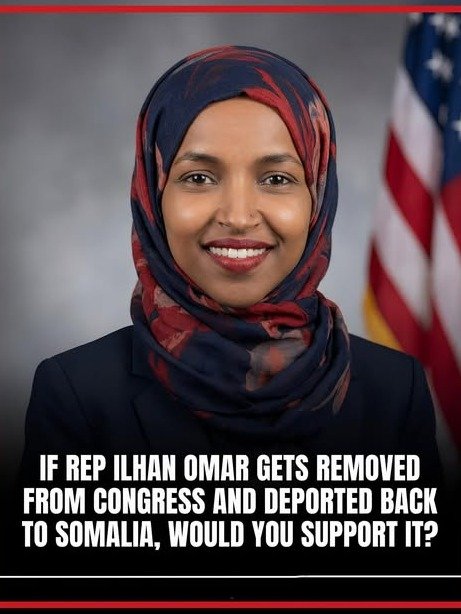
Can a single statement, uttered years ago, continue to ripple through the highest echelons of power, sparking heated debates and redefining the very boundaries of political speech? This isn’t a hypothetical scenario; it’s the reality surrounding Representative Ilhan Omar’s past remarks, which continue to ignite intense scrutiny over how public figures communicate on critical national issues. The ongoing discussion isn’t just about one individual; it’s a profound examination of the immense responsibility that comes with a public platform.
The controversy underscores a fundamental tension in modern politics: the balance between free expression and the profound impact of words spoken by those in positions of authority. When elected officials articulate their views, their statements carry a weight far beyond that of a private citizen. They can shape public opinion, influence policy, and even impact international relations, making careful communication an imperative.
The Weight of a Public Platform
Elected officials like Ilhan Omar are not merely individuals with opinions; they are representatives of their constituents and, by extension, symbols of the nation itself. Every word they utter, every tweet they post, is scrutinized under a magnifying glass, often interpreted as an official stance rather than a personal thought. This inherent visibility means their communication demands a higher degree of precision and foresight.
The debate around Representative Omar’s past comments highlights this critical distinction. Critics argue that certain remarks, regardless of intent, can inadvertently perpetuate harmful stereotypes, undermine national unity, or even be perceived as disloyal. Supporters, however, often defend her right to free speech and argue against what they see as politically motivated attacks designed to silence dissenting voices.
Navigating the Minefield of Modern Communication
In today’s hyper-connected world, the speed at which information (and misinformation) travels is unprecedented. A statement made in one context can be instantly amplified, taken out of context, and reverberate globally within minutes. This digital landscape makes the communication challenges for public figures even more complex, requiring an acute awareness of potential misinterpretations and unintended consequences.
The longevity of the debate around Omar’s remarks serves as a stark reminder that once words are spoken or written, they live on indefinitely in the public record. They can be revisited, re-analyzed, and re-debated years later, influencing public perception and political narratives long after their initial utterance. This digital permanence adds another layer of pressure to already demanding roles.
The Core of the Controversy: National Issues and Representation
At the heart of the debate is the question of how public figures address sensitive national and international issues, particularly those involving foreign policy, national security, or cultural identities. When a representative speaks on such topics, their words are often seen as reflecting the collective sentiment of their office, if not their entire party.
The specific nature of the remarks attributed to Ilhan Omar has often touched upon topics that are deeply divisive and emotionally charged for many Americans. This makes the conversation less about individual gaffes and more about the perceived integrity and diplomatic sensibility required of those who represent the nation on the world stage.
“Public trust is a fragile commodity, painstakingly earned and easily shattered,” notes political analyst Dr. Evelyn Reed. “When elected officials speak, they are not just sharing their thoughts; they are shaping the narrative that defines our collective identity and our place in the world. Careless words can have far-reaching, detrimental effects.”
Freedom of Speech vs. Public Responsibility
One of the most persistent threads in this ongoing discussion is the tension between an elected official’s right to freedom of speech and their heightened responsibility to the public. While all citizens are afforded the right to express their views, the impact of those views changes dramatically when delivered from a position of power.
Many argue that with power comes a moral and ethical obligation to communicate in a manner that promotes understanding, avoids inflammatory rhetoric, and upholds the dignity of the office. This doesn’t mean silencing dissent or suppressing critical opinions, but rather exercising prudence and considering the broader societal implications of one’s language.
The Impact on Political Discourse and Unity
The continuous re-ignition of debates over past political statements contributes significantly to the polarization of public discourse. Each time these remarks are brought back into the spotlight, they tend to deepen existing political divides, making it harder for opposing sides to find common ground or engage in constructive dialogue.
Instead of fostering unity, such controversies can create echo chambers where individuals reinforce their pre-existing biases, further entrenching an ‘us vs. them’ mentality. This makes the already challenging task of governing and addressing complex national problems even more arduous, as trust erodes and communication breaks down across ideological lines.
Lessons from the Ongoing Scrutiny
The sustained scrutiny of Ilhan Omar’s past remarks offers valuable lessons not just for her, but for all public figures and indeed, for the electorate itself. It underscores the critical importance of self-awareness, empathy, and strategic thinking in political communication. Leaders must consider not only what they intend to say, but also how their words might be perceived by diverse audiences, both domestically and internationally.
For the public, these debates serve as a powerful reminder to critically evaluate the words of their representatives, to understand the context in which they are spoken, and to hold leaders accountable for the impact of their rhetoric. It encourages a more nuanced understanding of the complexities inherent in political speech.
The Evolution of Accountability in the Digital Age
The digital age has fundamentally altered the landscape of accountability for public figures. Every statement, every post, every interaction is archived and easily accessible, providing a permanent record that can be recalled at any moment. This means that past comments, even those made years ago, can resurface and become relevant again in new political contexts.
This evolving standard of accountability demands a new level of diligence from elected officials. It’s no longer enough to simply apologize and move on; the digital footprint ensures that controversies can persist, requiring ongoing engagement and clarification. This shift impacts how politicians craft their messages, manage their public image, and respond to criticism.
Moving Forward: A Call for Deliberate Dialogue
As the debate surrounding Representative Omar’s past remarks continues, it serves as a powerful case study in the delicate art of political communication. It compels us to ask difficult questions about the nature of representation, the boundaries of free speech, and the profound influence of words in shaping our national identity.
Ultimately, these discussions are not just about individual politicians; they are about the health of our democracy. They challenge us all – public figures and citizens alike – to engage in more thoughtful, deliberate, and empathetic dialogue, recognizing the immense power of language to either unite or divide us.
The Lasting Echoes of Public Statements
The echoes of past statements by public figures can resonate for years, shaping public perception and influencing political discourse long after the initial utterance. This enduring impact is precisely why the discussion around remarks made by Ilhan Omar remains so potent and relevant. It forces us to confront the lasting consequences of words and the responsibility that comes with speaking from a position of power.
As we navigate an increasingly complex world, the ability of our leaders to communicate effectively, responsibly, and with an eye toward fostering understanding rather than division, will be more crucial than ever. The ongoing debate is not just a political squabble; it’s a vital conversation about the kind of public discourse we want to cultivate for the future.
About the Author




